Delhi removes old vehicles, but total vehicle numbers continue rising
The Delhi government has removed more than 66 lakh overage vehicles from its records as of March 2026, in line with regulations that prohibit diesel vehicles older than 10 years and petrol vehicles older than 15 years. The action follows directions aimed at curbing vehicular emissions and improving air quality in the national capital.
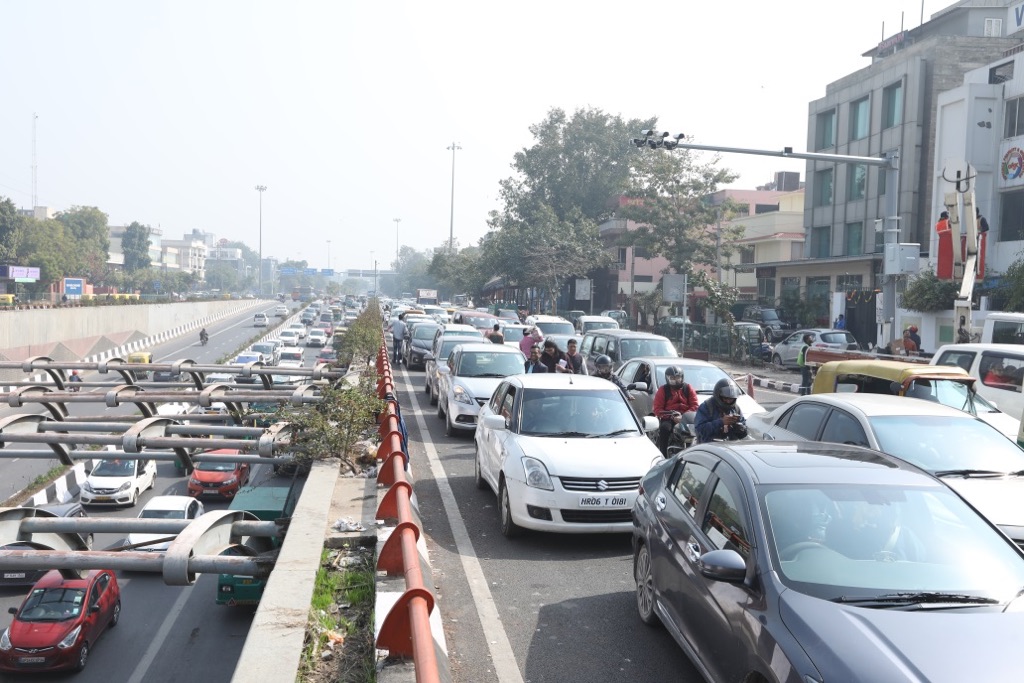
Despite this large-scale deregistration exercise, the total number of vehicles on Delhi’s roads has continued to increase. Data from the Economic Survey 2025–26 indicates that the overall vehicle population has reached approximately 87.6 lakh, marking a noticeable rise compared to the previous year. This suggests that new vehicle registrations are exceeding the number of vehicles being phased out.
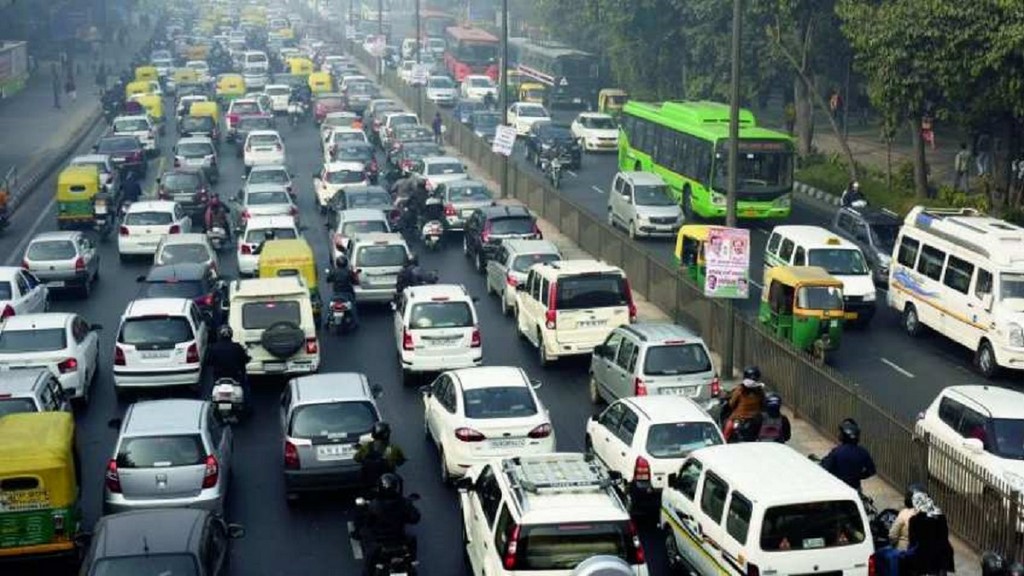
Two-wheelers continue to dominate Delhi’s vehicle mix, accounting for a significant majority of registered vehicles. Cars and utility vehicles form the next largest segment, while commercial categories such as goods carriers and passenger transport vehicles have shown gradual growth. In contrast, buses and taxis represent a smaller share, indicating relatively slower expansion of public and shared transport options.
Trends over recent years show fluctuations in vehicle growth. While the total number of vehicles increased steadily until 2020–21, there was a decline during 2021–22, influenced by pandemic-related disruptions and enforcement of scrappage norms. The numbers have since recovered, with gradual growth observed in subsequent years and a stronger rebound in the latest period.
Another indicator of rising motorisation is the increase in vehicles per 1,000 people. This figure has gone up compared to the previous year, highlighting a growing dependence on private mobility in the city.
The data points to a broader pattern where regulatory measures are removing older, more polluting vehicles, but demand for personal transport continues to drive overall growth in vehicle numbers. This presents an ongoing challenge for urban planning and pollution management efforts.