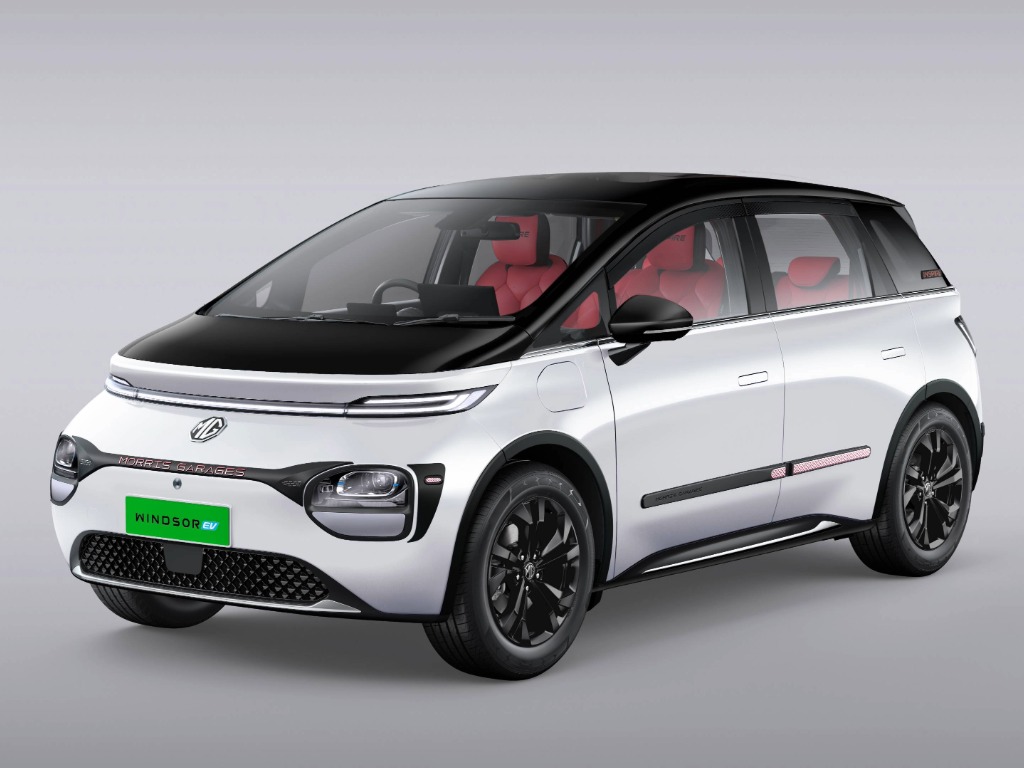
The Delhi government’s draft EV Policy 2026 outlines a renewed push to accelerate the adoption of cleaner vehicles by offering significant tax incentives for electric cars and partial relief for hybrid models. The proposal, currently under consideration, aims to extend benefits until March 31, 2030, while also linking incentives to vehicle scrappage.
Under the draft, electric cars priced up to Rs. 30 lakhs (ex-showroom) and registered in Delhi would be eligible for a complete waiver on road tax and registration fees. However, EVs priced above this threshold would not receive any such exemption. This price-based segmentation appears designed to encourage mass-market adoption while limiting subsidies for premium models.
In addition to EV incentives, the draft policy proposes a 50 percent reduction in road tax and registration charges for strong hybrid vehicles within the same price range and validity period. This marks a notable shift, as hybrid vehicles have so far received limited direct policy support compared to fully electric vehicles.
From a taxation standpoint, EVs continue to benefit from a relatively low GST rate of 5 percent. In contrast, hybrid vehicles fall under higher GST brackets depending on their size and engine specifications, ranging from 18 percent to as high as 40 percent. The proposed state-level relief could therefore help offset some of this disparity for hybrid buyers.
A key feature of the draft is the introduction of a scrappage-linked incentive. Buyers purchasing a new electric car priced under Rs. 30 lakhs may receive up to ₹1 lakh as a scrapping benefit, provided they retire an older BS-IV or earlier vehicle registered in Delhi. This incentive would be applicable only if the new vehicle is purchased within six months of receiving a Certificate of Deposit from an authorised scrapping facility. The benefit is capped at the first 1,00,000 eligible applicants and will be disbursed directly to vehicle owners via a government-notified mechanism.
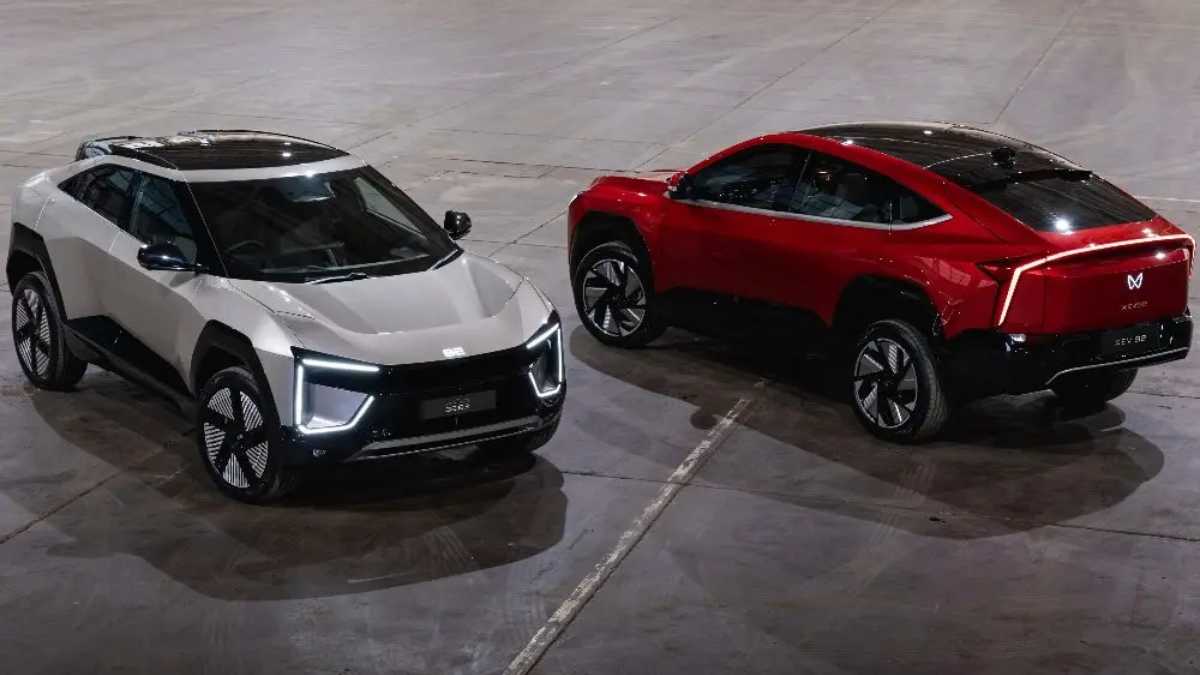
Several existing electric models fall within the proposed eligibility bracket, including offerings from brands such as Tata Motors, MG Motor India, Mahindra and Hyundai. Similarly, strong hybrid vehicles from Maruti Suzuki, Toyota and Honda also qualify under the Rs. 30 lakhs ceiling, with more models expected to enter this segment in the near future.
The draft policy reflects a broader attempt to balance environmental goals with market realities by supporting both fully electric and hybrid technologies. While EVs remain the primary focus, the inclusion of hybrids signals a more flexible transition strategy as infrastructure and consumer readiness continue to evolve.