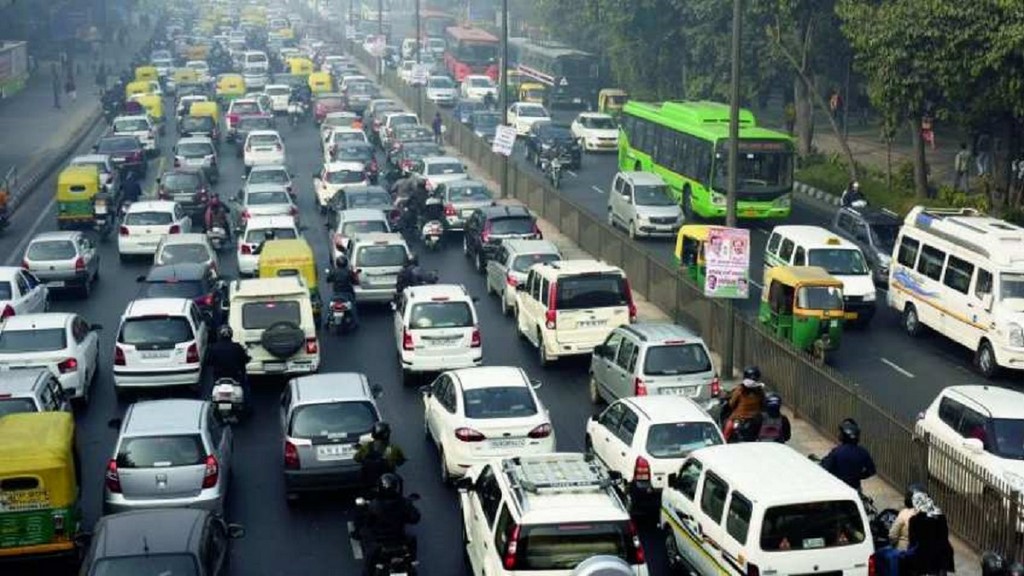
Delhi proposes AI-based system for smarter traffic management
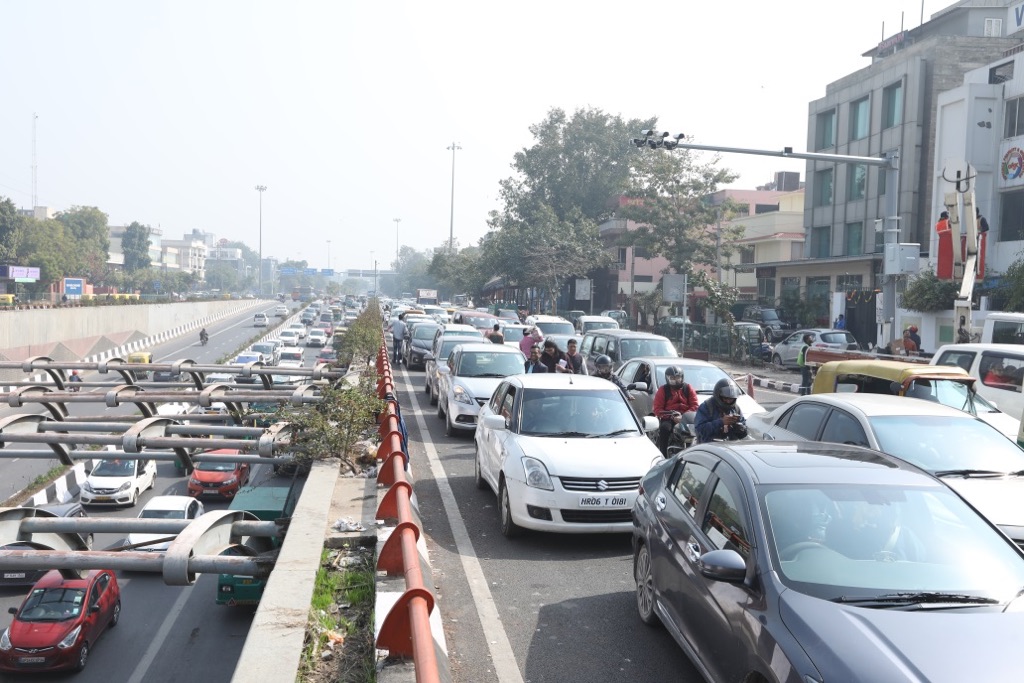
Delhi Police has proposed the introduction of an AI-enabled integrated traffic management system aimed at reducing congestion and improving air quality across the city. The initiative forms part of a broader action plan to address longer travel times and environmental concerns, and is currently at the proposal stage. A detailed project report has been submitted to the Union Home Ministry for consideration.
The proposed system would combine adaptive traffic signals, automatic number plate recognition (ANPR) cameras and automated challan generation. According to the plan, the rollout will take place in three phases over two years. In the first phase, expected to be completed within a year of approval, five corridors will be equipped with 250 adaptive signal junctions and 271 enforcement points. The second phase will expand coverage to seven additional corridors, adding 222 signal junctions and 236 enforcement points. The final phase proposes 30 more corridors, incorporating 620 signal junctions and 522 enforcement locations.
Officials say the AI-based system will rely on advanced analytics, integrated communications and automated enforcement tools to manage traffic flow in real time. Signals are expected to adjust dynamically based on traffic density and average vehicle speeds, potentially reducing the need for manual intervention. Commuters may also receive real-time traffic updates as part of the system’s broader digital framework.
Separately, Delhi Traffic Police had earlier identified 62 congestion hotspots and outlined 215 corrective measures. As of December 31, 2025, 83 of these tasks had been completed, while 46 were dropped or deemed unfeasible due to ongoing infrastructure and redevelopment projects. If approved and implemented, the new traffic management system could represent a significant shift in how the capital regulates and monitors road traffic.