
Japanese Automakers Turn to India as a Hub for Production and Growth
Major Japanese automakers are ramping up manufacturing in India, signalling a significant pivot away from China. Toyota and Honda are investing billions of dollars to expand their Indian production footprints, with an eye on boosting exports and global competitiveness. Industry analysts say the move reflects India’s growing importance as a manufacturing base, offering a more favourable environment than China due to lower costs and reduced competition from Chinese EV makers in the local market.
Toyota’s India Expansion Strategy
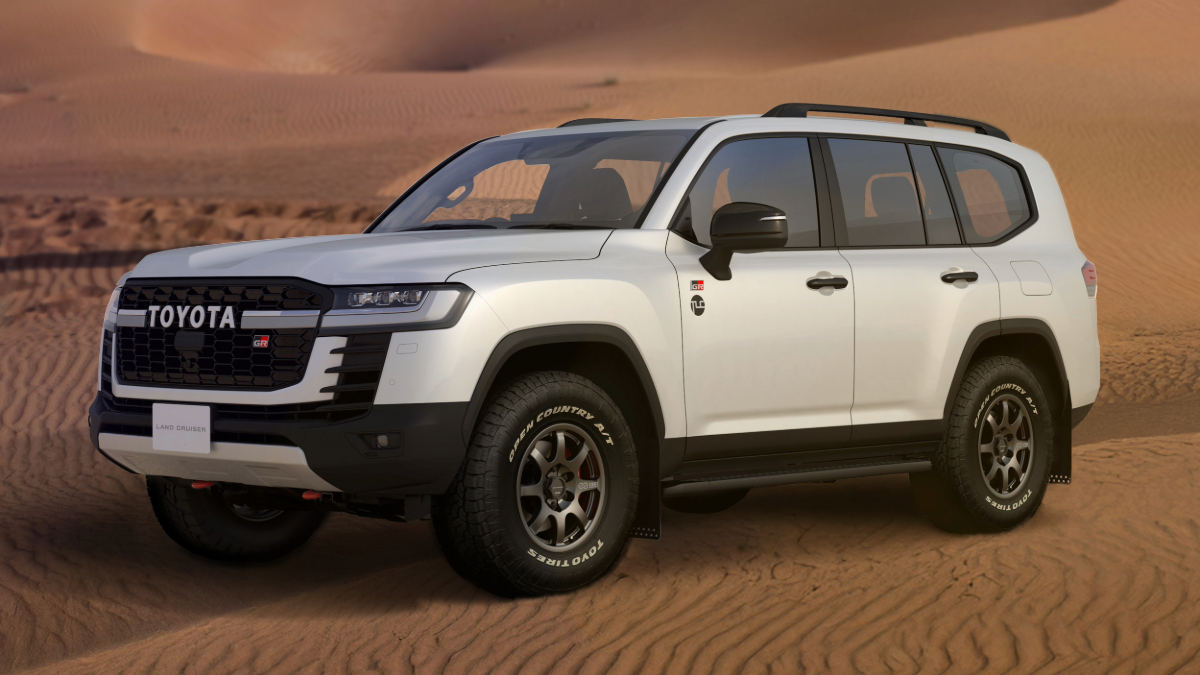
Toyota, the world’s largest carmaker, is committing serious resources to India. The company recently announced an investment exceeding US$3 billion to expand its southern India facility by an estimated 100,000 units annually and to build a new plant in Maharashtra, which would raise its total capacity in the country to over one million vehicles.
The company plans to launch up to 15 new or refreshed models in India by the end of the decade and to grow its market share from about 8% today to 10%.Crucially, Toyota is also boosting localisation: it is working closely with Indian and Japanese suppliers to produce hybrid and ICE components locally, shifting away from global specifications toward India-specific needs.
Government Support & Supply-Chain Shift
India’s manufacturing appeal is strengthening thanks to favourable government policies and protective trade stances. The government of Narendra Modi has pursued an aggressive push to attract foreign investment in manufacturing, particularly targeting export-oriented production.
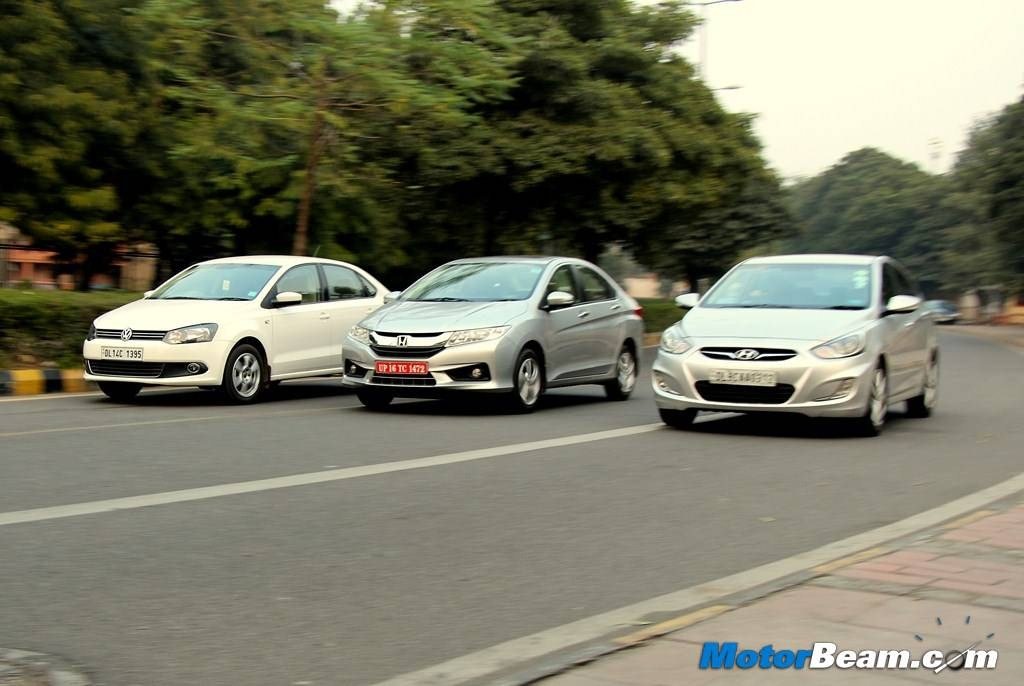
Indian output of passenger cars last year was about five million units, with exports around 800,000 underscoring the country’s growing role as a global export hub. Moreover, India’s restrictions on Chinese EV manufacturers provide Japanese carmakers with a unique competitive window to deepen their footprint without facing intense domestic rivalry from China-based players.
Honda’s Significant India Turn
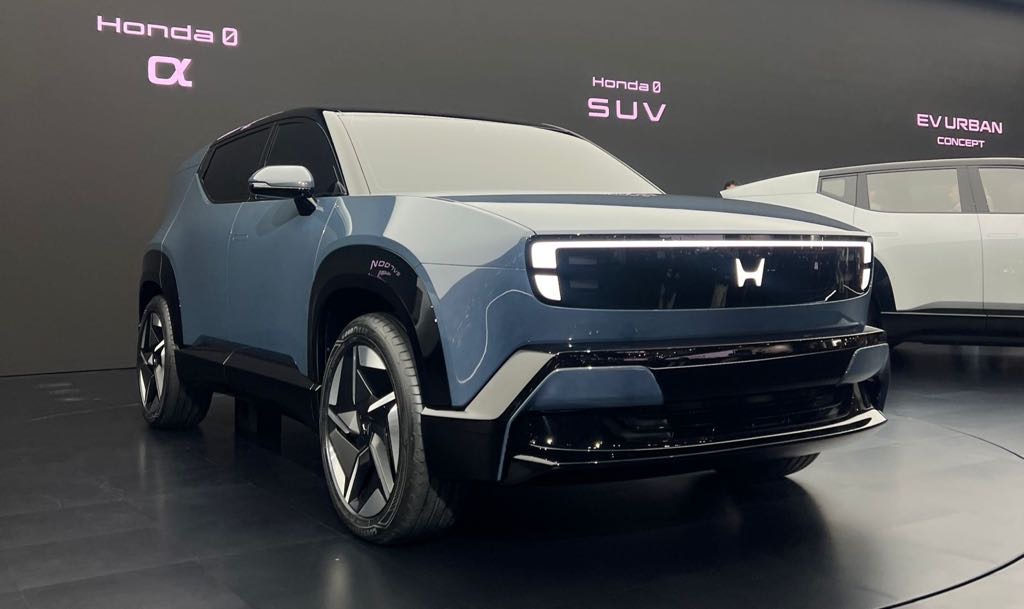
For Honda, India is now one of its top three priorities globally alongside the U.S. and Japan. Currently dominant in two-wheelers in India, Honda is now repositioning its four-wheeler business to use India as a production and export base. The company has announced that one of its “Zero series” electric cars will be manufactured in India and exported to Japan and other Asian markets starting in 2027. This strategic shift underscores Honda’s belief that India will play a key role in its next phase of growth.
With India emerging as a cost-competitive manufacturing base, minimal Chinese EV competition, and robust government incentives, Japanese automakers are accelerating their investment in the region. Toyota and Honda’s strategic moves at this moment mark a broader trend: turning India into a critical global hub for both production and export.