Indian Government Set To Increase The Target Of Ethanol Blend In Fuels To 30% (E30)
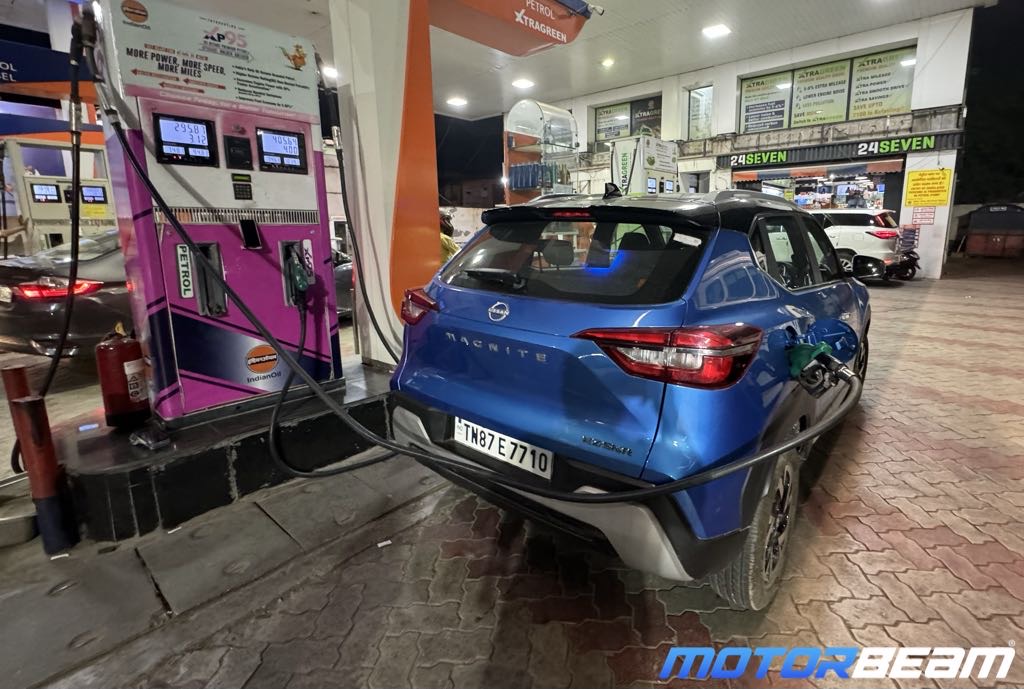
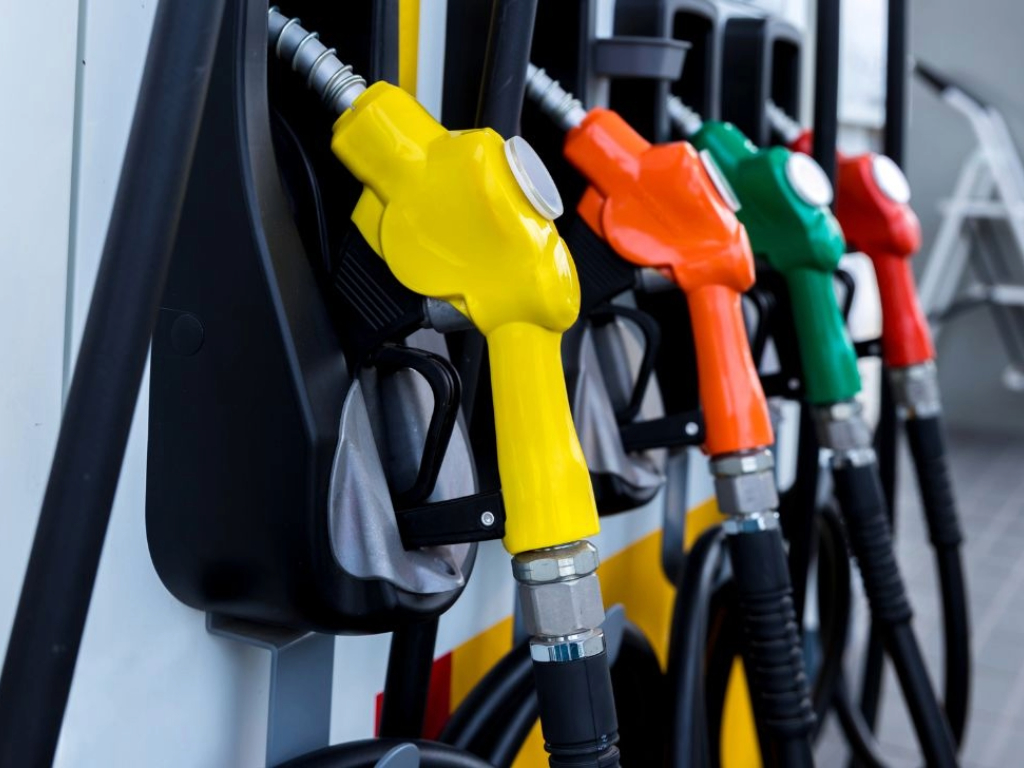
The Indian government is set to increase the target of ethanol blend to 30% by 2030. Previously, the government had planned to achieve a 20% (E20) ethanol blend by 2030. However, the milestone has been achieved in 2025, as can be observed in the current market. Hence, a new target for a higher blend is set for the year 2030.
The Strategy
The Ministry of Petroleum and Natural Gas has given an internal green light for the revised 30% ethanol blend target. The government is currently considering the options of a phased roll-out or a unified strategy.
The roll-out strategy means the fuel with a 30% ethanol blend (E30) will be available in cities in a tiered manner. The unified strategy would see the immediate availability of the fuel across the country.
Effects Of Ethanol Blended Fuel
The higher percentage of ethanol content in fuels will mean an increase in jobs for farmers and reduce the country’s reliance on importing crude oil. Most of the current cars in the Indian market are E20 compliant. However, if the ethanol content were to rise above 25%, it would significantly affect the performance and efficiency of the vehicle.
The reason behind it is the properties of ethanol as an element which is more corrosive in nature as it absorbs a higher amount of moisture, causing damage to the fuel system. Currently, the older cars which aren’t E20 compliant are facing the same issue.
Outlook
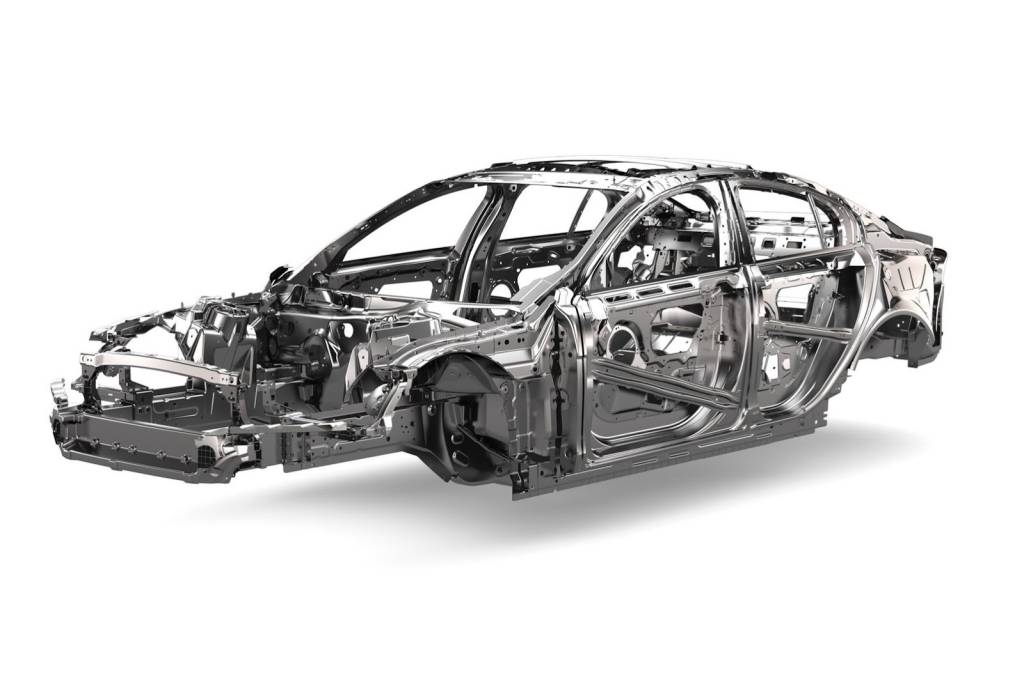
Using ethanol-blended fuel may necessitate modifications to the fuel systems, including changes to the fuel lines and other components. If the government wants to focus on ethanol as a medium for transportation, it the introduce platforms which will allow older cars to be E20 compliant and current cars to be E20 compliant. This can also incentivise the automotive modification industry in a greater manner.