Mahindra rises to second spot in 2025, reshaping India’s passenger vehicle rankings
India’s passenger vehicle market is set to witness a significant reshuffle in rankings by the end of 2025, with Mahindra expected to overtake Hyundai Motor India to claim the second position. Tata Motors is projected to secure third place, pushing Hyundai to fourth for the first time since vehicle registration data began being published publicly in 2019.
Based on registration figures from the government-run Vahan portal, Mahindra is estimated to close 2025 with registrations of around 5.58 lakh units. Tata Motors is expected to follow closely with approximately 5.41 lakh units, while Hyundai Motor India may end the year at about 5.21 lakh units. The data includes registrations of electric vehicles across all manufacturers.
If these projections hold, it will mark the first calendar year in which Mahindra has surpassed both Tata Motors and Hyundai in domestic registrations. The shift reflects the increasingly competitive nature of India’s passenger vehicle market, which is projected to reach around 4.6 million units in sales by the end of 2025, representing a year-on-year growth of over 10 percent.
Industry participants expect growth to moderate in 2026, though demand momentum is likely to remain healthy. Dealer-level expectations suggest overall passenger vehicle sales could grow in the range of 5-7 percent next year, with market leader Maruti Suzuki expected to continue outperforming the broader industry.
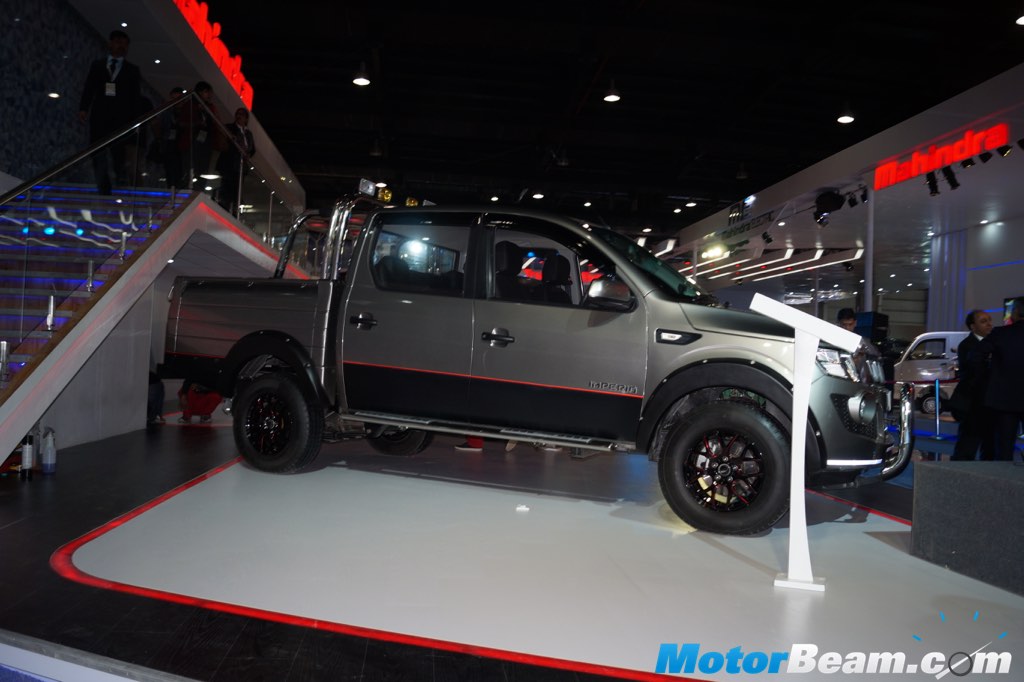
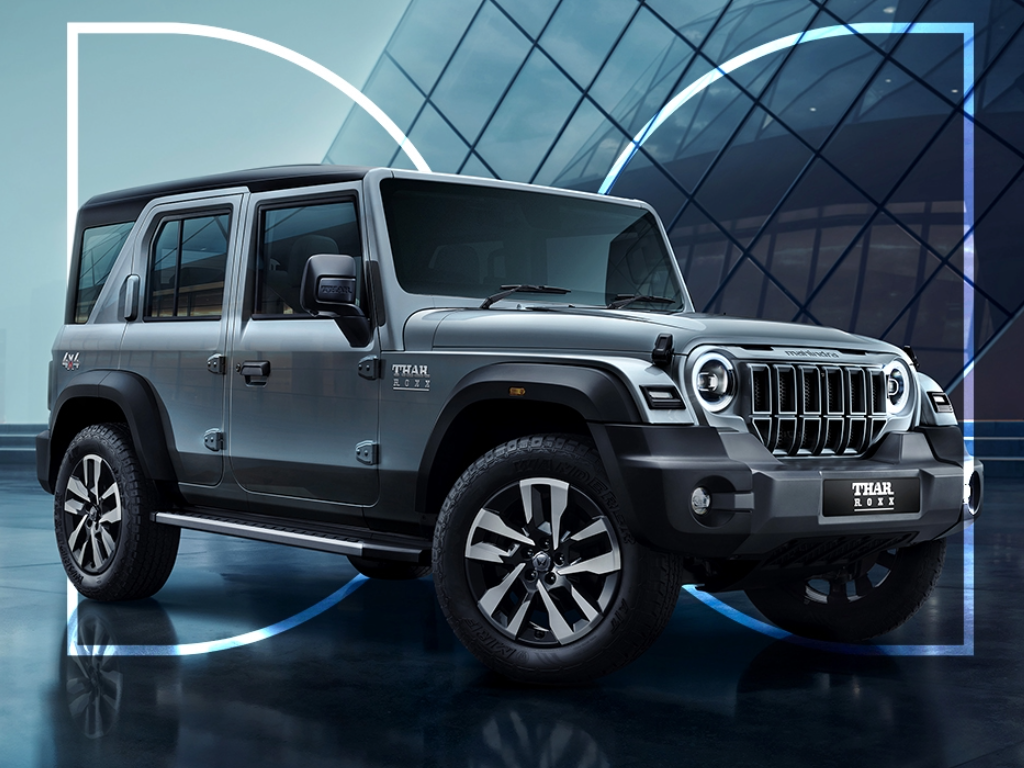
Mahindra’s rise from fourth place last year to second in 2025 has been driven largely by a steady pipeline of new launches and updates. Over the past four years, the company has expanded its portfolio across petrol, diesel and electric powertrains, particularly in the high-demand SUV segment. In 2025, it added multiple new models, including updated lifestyle SUVs, compact SUVs and electric offerings, while also refreshing long-standing nameplates such as the Bolero and Scorpio to maintain consistent monthly volumes.
Registration data published by Federation of Automobile Dealers Associations indicates that Mahindra outperformed Hyundai in 10 out of the 12 months of 2025, underlining the consistency of its performance through the year. Analysts also point to a sharper focus on design, pricing discipline and feature-rich offerings as factors supporting its improved market standing.
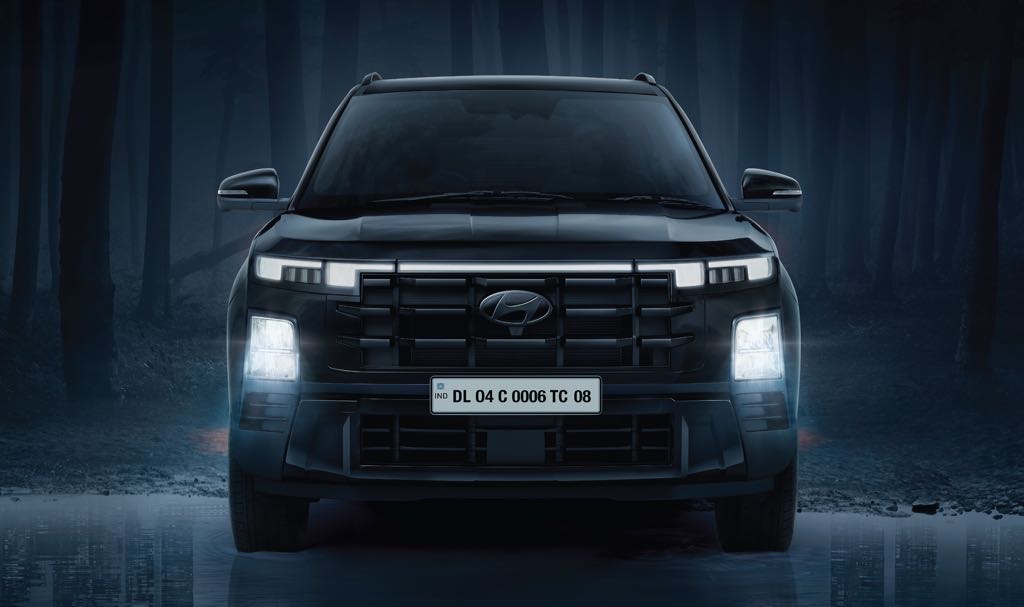
Hyundai, on the other hand, has experienced a relatively subdued product introduction cycle. Its last all-new nameplate was launched in mid-2023, and volumes have remained heavily dependent on a few high-performing models, particularly the Creta. While the company continues to maintain strong margins and brand recall, slower portfolio expansion has limited its ability to counter the rapid gains made by domestic rivals.
Recognising the intensifying competition, Hyundai has outlined plans to introduce a broad range of new models by the end of the decade. The company has also set a longer-term target to increase its market share to around 15 percent by 2029–30, signalling a strategy that balances growth with profitability.
Pressure on Hyundai has also increased from Tata Motors, which has built scale through a diversified portfolio spanning internal combustion, electric and alternative powertrains. Together, these shifts underscore how India’s passenger vehicle market is entering a phase of heightened competition, driven by frequent product updates, evolving customer preferences and the growing role of electric vehicles.