VinFast to expand Tamil Nadu plant for EV buses and scooters production
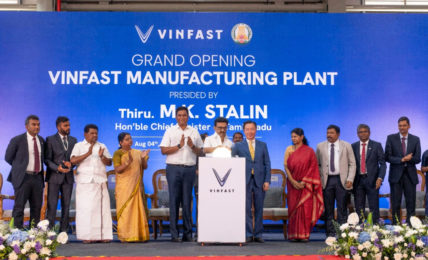
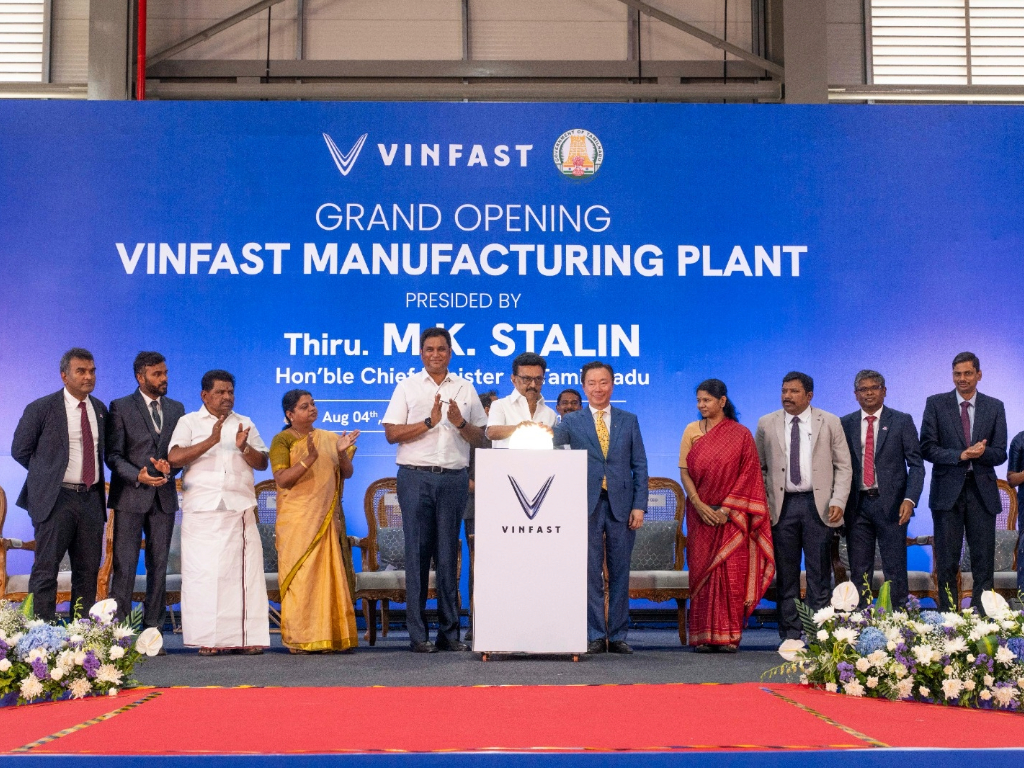
Vietnamese automaker VinFast has signed a Memorandum of Understanding with the Tamil Nadu government, paving the way for a major expansion of its manufacturing footprint in India. Under the agreement, the company will receive 200 hectares at the SIPCOT Industrial Park near its existing Thoothukudi facility. This forms the second phase of VinFast’s wider USD 2 billion investment plan, with the upcoming stage valued at USD 500 million.
The fresh investment will be utilised to create new production lines for electric buses and electric two-wheelers, alongside facilities for assembly, testing and supporting operations. In return, the state will extend approvals, infrastructure support and a framework of incentives aimed at accelerating the project.
VinFast currently operates across 160 hectares in the region where it manufactures electric cars. The plant has an annual capacity of 50,000 vehicles with ongoing expansion planned to reach 1,50,000 units a year. With the addition of e-bus and e-scooter production, the company intends to diversify its EV portfolio for the Indian market, increase localisation and generate additional employment opportunities.
Company leadership described the expansion as a step toward serving a broader customer base in India and positioning Tamil Nadu as a strategic hub in its global roadmap. The state government also views the project as an important catalyst in advancing regional and national goals around green mobility and electric public transport adoption.
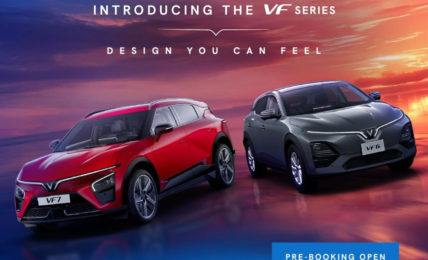
VinFast currently offers two models in India – the VF6 and VF7 electric SUVs, priced at Rs. 16.49 lakh and Rs. 20.89 lakh (ex-showroom). The VF6 features a 59.6kWh battery, 204 HP front motor and 480 km WLTP range, supporting AC and DC fast charging. The VF7 is powered by a 70.8kWh battery, available in 204 HP FWD and 350 HP AWD configurations, with WLTP ranges of 450 km and 431 km respectively.
The upcoming expansion signals the automaker’s intention not only to manufacture electric passenger vehicles in India but also to enter the electric public transport and two-wheeler markets, sectors projected to see strong growth as the country transitions to sustainable mobility solutions.