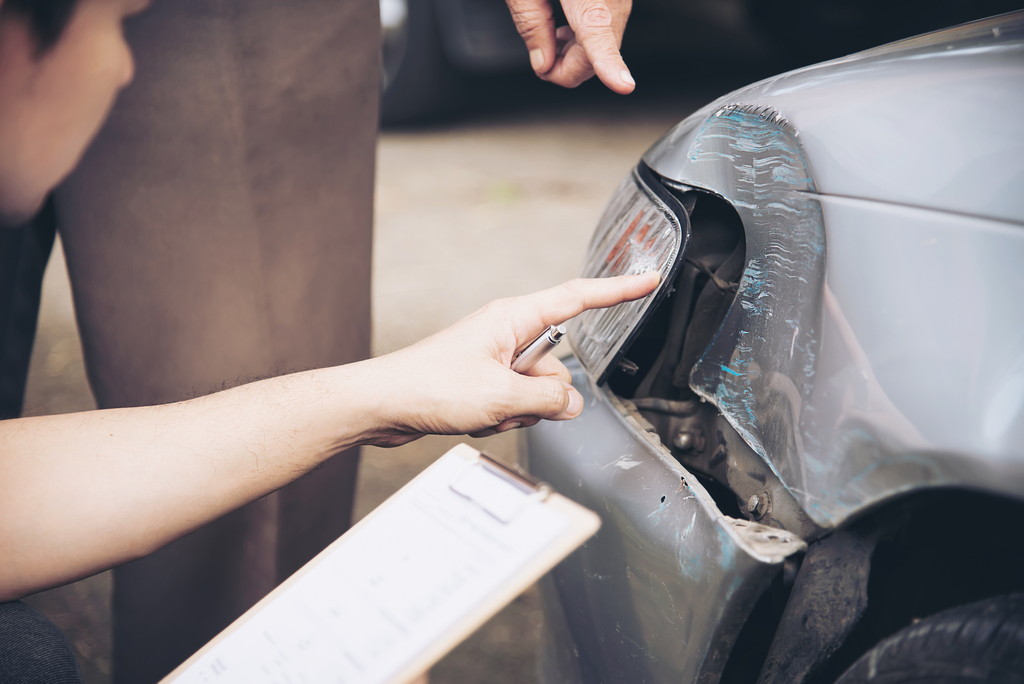
A minor scrape in a parking lot or a light bumper tap in traffic doesn’t seem like a big deal — until you see the repair estimate. What used to be a simple panel fix in older cars can now run into unexpectedly high costs.
The reason is simple: modern cars are no longer just metal and paint. They are packed with sensors, electronics and tightly integrated systems, meaning even small damage can turn into a complex repair job.
Why Modern Cars Are Harder to Repair
Cars today are far more advanced than what we had a decade or two ago. Features like ABS, adaptive systems, electric steering and turbocharged engines have made vehicles safer and more efficient.
However, this added technology also increases complexity. Components are more compact, interconnected and harder to access, making even basic repairs more time-consuming than before.
Sensors Are the Real Cost Drivers
Modern cars rely heavily on sensors and electronics. From parking sensors and cameras to radars and ADAS systems, these components are embedded across the vehicle.
A small impact to the bumper or windshield area can damage or misalign these sensors. For instance, in cars equipped with ADAS, even a minor hit may require recalibration of cameras and radar units — something older cars never needed. This is where repair costs rise sharply, as fixing the visible damage is often just the beginning.
Bumpers Are No Longer Just Plastic Parts
In older cars, bumpers were simple structures designed to absorb impact and could often be repaired easily. Today’s bumpers are far more sophisticated. They house sensors, mounts, wiring and aerodynamic elements. Because of this, even a small crack can require replacing the entire unit instead of a simple repair. This significantly increases the overall cost, even for minor visible damage.
Calibration Is Where Costs Jump
One of the biggest changes in modern repairs is the need for calibration. After fixing or replacing parts, systems like ADAS, cameras and sensors need to be precisely recalibrated using specialised tools. In some cases, the car must be driven under controlled conditions for accurate calibration. This process is time-consuming and requires expertise, adding a substantial amount to the repair bill.
Parts & Labour Are Getting Expensive
Repair costs today are influenced not just by parts, but also labour. Manufacturers follow specific repair procedures, and many components require OEM parts. Limited availability and dependency on authorised processes push costs higher.
In certain cases, especially with EVs or premium vehicles, repair timelines can also extend, increasing labour charges further.
Minor Impacts Can Hide Bigger Damage
What you see on the surface is not always the full picture. Behind a bumper or body panel, there are several components such as reinforcement bars, sensors, mounts, wiring and cooling systems. Even a low-speed impact can affect these hidden parts.
Once the vehicle undergoes a detailed inspection, additional damage is often discovered, increasing both the scope and cost of repairs. In such situations, having adequate support like car insurance can help manage unexpected expenses linked to hidden damage.
Third-Party Damage Adds to the Burden
If an accident involves another vehicle or property, costs can increase further due to third-party liabilities. In India, third-party insurance is mandatory under the Motor Vehicles Act. While this helps cover damages caused to others, the overall financial impact of an accident can still be significant depending on the situation.
Why Repair Bills Shock Owners
Many car owners still expect repair costs to be similar to older vehicles, where minor damage meant a quick and inexpensive fix. Modern engineering has changed that. Safety systems, electronics and integrated components mean that even small repairs often involve multiple steps — disassembly, diagnostics and calibration. This gap between expectation and reality is what surprises most owners.
What This Means for Car Owners
Owning a modern car also means being prepared for potentially higher repair costs. With the inclusion of sensors, electronics and specialised components, even routine damage can lead to unexpected expenses. Being aware of these factors helps in making informed ownership decisions.
For many car owners, having the right protection — such as comprehensive car insurance is also an important consideration alongside regular maintenance.
Safer Cars, Costlier Repairs
The future of automotive engineering is focused on safety, automation and intelligent systems. While these advancements improve protection and reduce the chances of severe accidents, they also make repairs more complex when damage does occur. Unless repair processes become more standardised, costs are likely to remain high.
Minor Damage, Major Costs
Modern cars offer better safety, technology and performance — but these benefits come at a cost. Even minor damage today can involve sensors, structural components and recalibration. Understanding this shift helps car owners stay better prepared and avoid surprises when it comes to repair bills.