India’s push towards higher ethanol-blended fuels has taken another step forward with the launch of E85 fuel in Delhi. Union Petroleum and Natural Gas Minister Hardeep Singh Puri inaugurated the capital’s first E85 dispensing station at Indian Oil’s outlet on Pusa Road, making the fuel available to eligible flex-fuel vehicles.
E85, which contains up to 85 percent ethanol and 15 percent petrol, has been introduced at a retail price of Rs. 82.12 per litre. The fuel is being sold through dedicated dispensers carrying separate branding to distinguish it from conventional petrol blends.
The pricing places E85 around Rs. 20 per litre below regular E20 petrol, which currently retails at Rs. 102.12 per litre in Delhi. Premium XP95 petrol is priced higher at Rs. 109.24 per litre.
While the lower retail price could make E85 attractive for some users, fuel economy remains an important consideration. Ethanol contains less energy than petrol, meaning vehicles operating on E85 are generally expected to consume more fuel over the same distance compared to equivalent E20-powered vehicles. Industry estimates suggest the difference in efficiency could range between 25 and 35 percent depending on vehicle type and driving conditions.
Another factor is vehicle compatibility. Flex-fuel vehicles capable of running on E85 typically require modifications to the fuel system and engine calibration. As a result, such vehicles can carry a higher purchase price. For example, Hero’s recently launched E85-compatible two-wheelers are priced above their standard counterparts.
The pricing strategy has also drawn comparisons with international markets. Brazil, one of the world’s largest ethanol-fuel users, has long relied on flex-fuel vehicles and high ethanol blends. In that market, the price gap between ethanol-rich fuels and standard petrol blends is generally wider, helping offset the lower energy content of ethanol.
On the infrastructure front, the government plans to expand E85 availability in phases. Initial deployment is expected to focus on major urban corridors, including Delhi-NCR and the Mumbai-Pune-Nagpur route. Authorities aim to establish hundreds of E85 dispensing stations by the end of 2026, with a longer-term target of several thousand outlets across major cities by 2027.
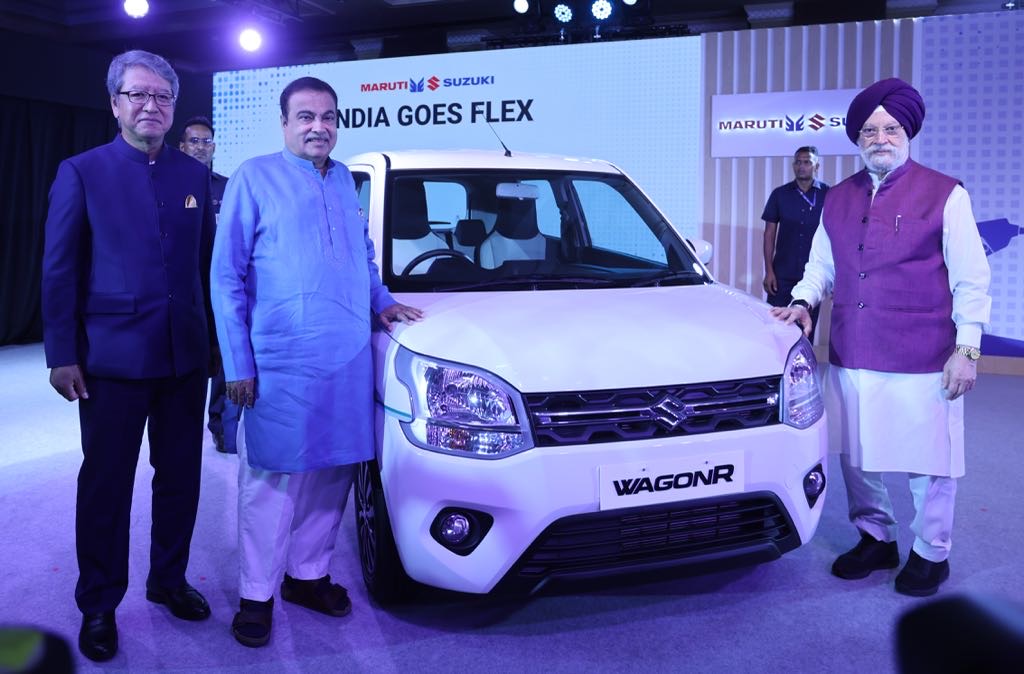
Vehicle availability remains limited at present. The flex-fuel version of the Maruti Wagon R is currently available for commercial applications, while Hero is expected to begin retail sales of its E85-compatible motorcycles for private buyers from July. Several manufacturers have also indicated interest in introducing flex-fuel models in the future. Tata Motors has previously stated that it is working on a flex-fuel vehicle, while Toyota has showcased ethanol-compatible versions of the Innova Hycross at various events.
The introduction of E85 marks an important development in India’s ethanol adoption strategy. However, its long-term success is likely to depend on a combination of wider vehicle availability, expanded refuelling infrastructure and whether the fuel’s price advantage is sufficient to compensate for its lower efficiency.