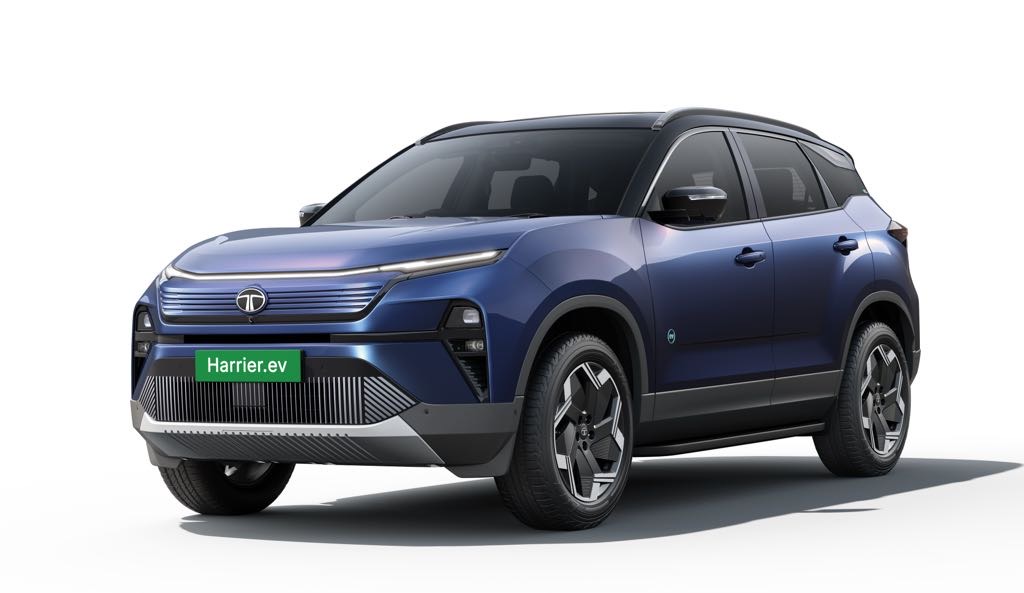
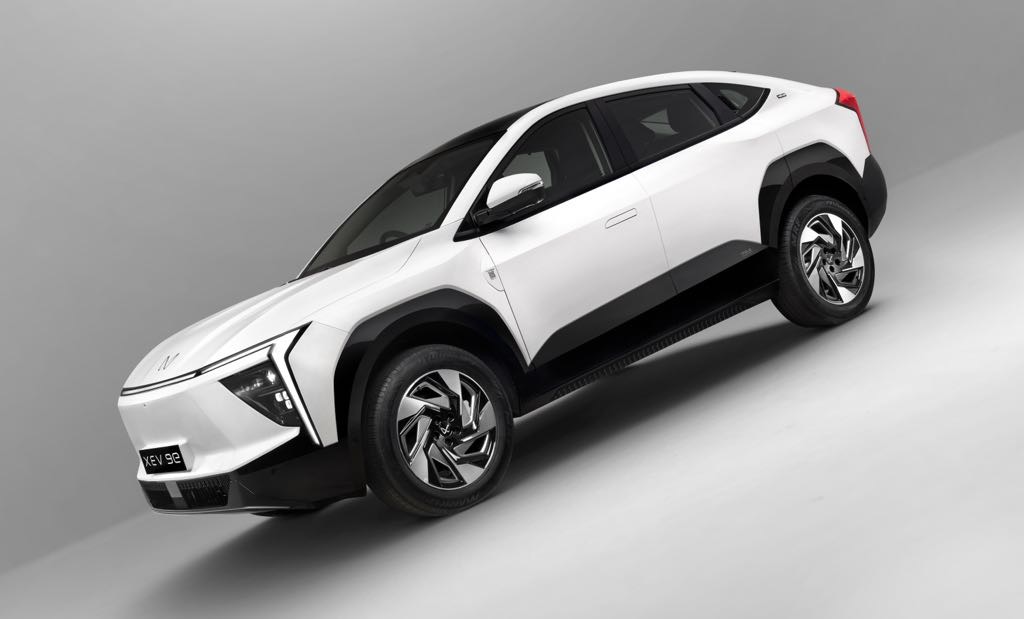
Electric passenger vehicle adoption in India witnessed strong momentum during the April-June quarter, with registrations increasing by 89.3 percent year-on-year. According to Vahan registration data, 82,737 electric passenger vehicles were registered during the quarter, compared to 43,710 units in the same period last year.
The growth comes amid changing consumer preferences, with higher conventional fuel prices and an expanding range of electric vehicle options contributing to increased demand. Industry players have also benefited from improved charging infrastructure and growing public awareness about EV ownership.
Tata Motors remained the country’s largest electric passenger vehicle manufacturer during the quarter. The company registered 32,283 units, marking a 104 percent increase over the 15,794 units recorded a year earlier. Its market share also increased from 36.1 percent to 39 percent.
Mahindra retained the second position, registering 20,112 electric vehicles, compared to 10,144 units in the corresponding quarter last year. Together, Tata Motors and Mahindra accounted for more than 63 percent of all electric passenger vehicle registrations during the period.
Monthly registrations also showed steady improvement throughout the quarter, rising from 24,963 units in April to 27,320 units in May, before reaching 30,454 units in June.
Commenting on the market, Shailesh Chandra, Managing Director of Tata Motors Passenger Vehicles and Tata Passenger Electric Mobility, said the recent geopolitical developments in West Asia have encouraged more buyers to consider electric vehicles, with rising fuel prices influencing purchasing decisions.
Among other manufacturers, JSW MG Motor India recorded 16,502 registrations, representing a 22 percent year-on-year increase. Maruti Suzuki, which recently entered the electric passenger vehicle segment, registered 4,894 units during its first full quarter in the market.
VinFast registered 3,973 units, while BYD recorded 2,173 registrations, reflecting a 30 percent increase over the previous year. Kia registered 1,304 units, posting significant growth on a relatively small base. Meanwhile, Hyundai saw registrations decline to 1,386 units from 2,142 units, while Stellantis recorded 78 registrations during the quarter.
Industry observers attribute the rise in EV registrations to multiple factors. While petrol, diesel and CNG operating costs have increased due to higher fuel prices, electricity costs have remained comparatively stable, improving the cost-of-ownership proposition for electric vehicles. At the same time, manufacturers have continued expanding their product portfolios and charging infrastructure, further supporting EV adoption.