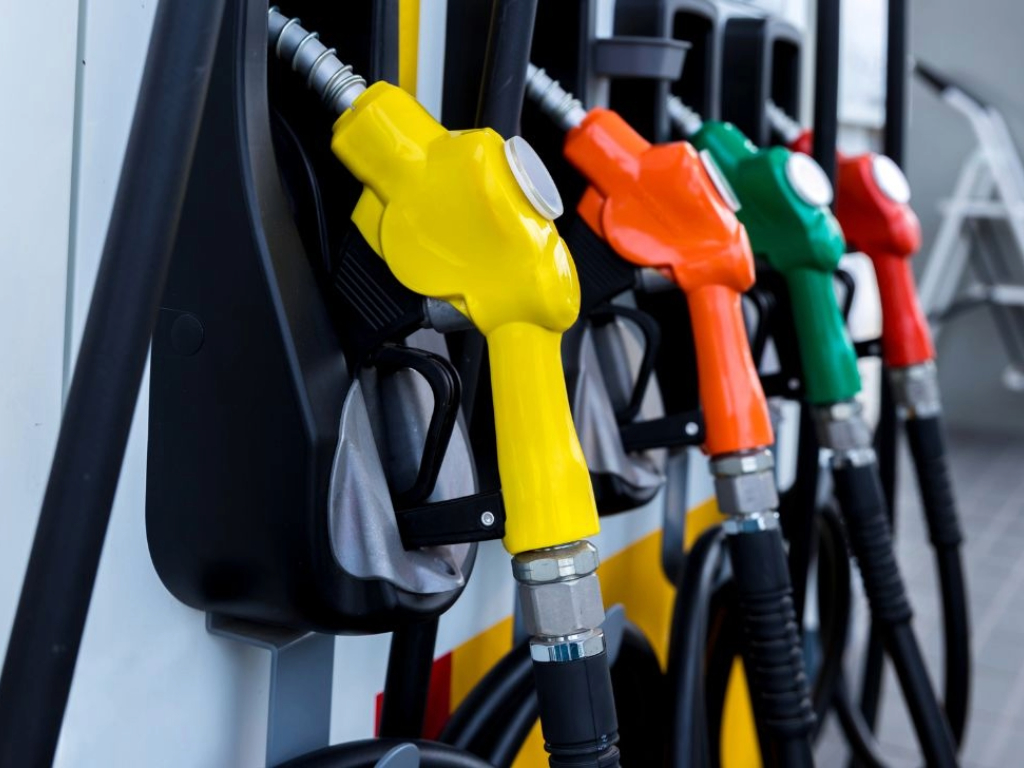
India could soon move toward mandatory blending of isobutanol with diesel as part of its broader strategy to diversify fuel sources and reduce dependence on imported crude oil. According to V Umashankar, Secretary at the Ministry of Road Transport and Highways (MoRTH), the proposal is currently under active consideration and may be introduced later this year.
The development signals a renewed push by policymakers to identify alternatives for diesel after previous attempts involving ethanol blending did not deliver the expected results.
India continues to rely heavily on imported crude oil, with imports accounting for more than 85 percent of the country’s total requirement. This dependence exposes the domestic market to fluctuations in global energy prices and supply-related uncertainties.
Officials believe expanding the use of domestically produced biofuels could gradually strengthen energy security and lower reliance on conventional fossil fuels over the long term.
Isobutanol is a bio-based fuel produced using ethanol as a feedstock. Compared to ethanol, it offers a higher energy density and has chemical characteristics that make it more compatible with diesel.
Industry studies suggest isobutanol blends more effectively with diesel and is less corrosive than ethanol. Early assessments also indicate that existing diesel engines may require only limited modifications for compatibility, although additional validation and testing are still underway.
India has already expanded ethanol blending in petrol through the E20 programme, but diesel presents a different technical challenge.
Earlier trials involving ethanol-diesel blends reportedly faced issues due to poor fuel compatibility. In 2025, Union Road Transport Minister Nitin Gadkari stated that efforts to blend 10 percent ethanol with diesel did not achieve the desired outcome, prompting exploration of alternatives such as isobutanol.
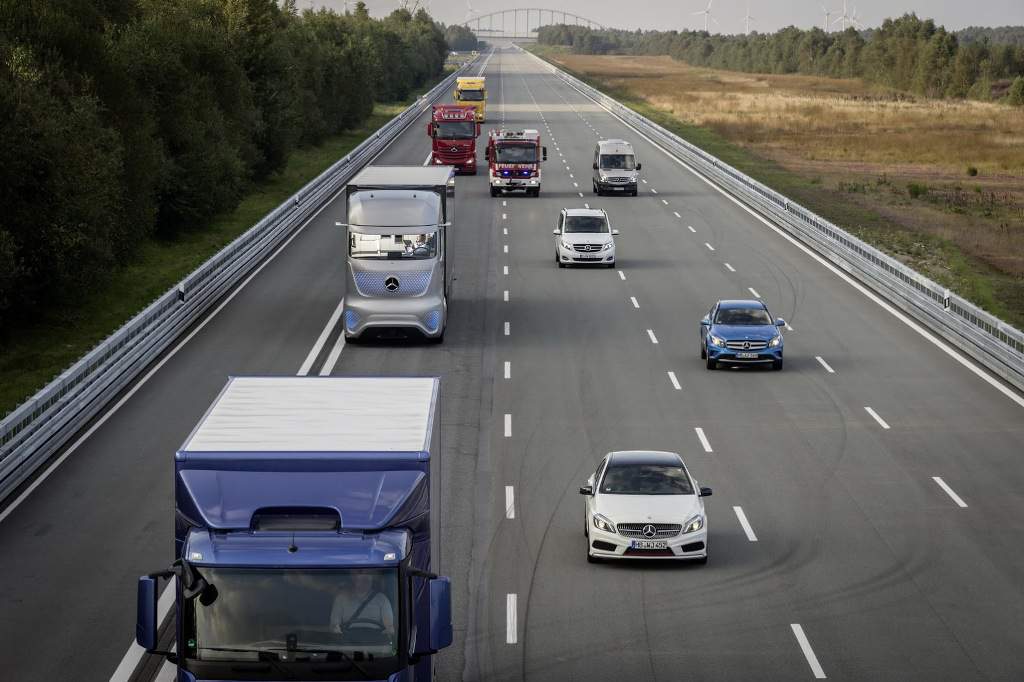
Researchers and policymakers view isobutanol as a potentially more suitable option for heavy-duty applications including trucks and buses, where diesel remains the dominant fuel.
Even if the blending mandate is introduced this year, immediate changes in retail diesel prices are unlikely. However, the government expects that greater adoption of domestic biofuels may contribute to improved energy resilience over time.
The proposal remains under consideration and further details regarding blending ratios, implementation timelines and industry readiness are yet to be announced.