
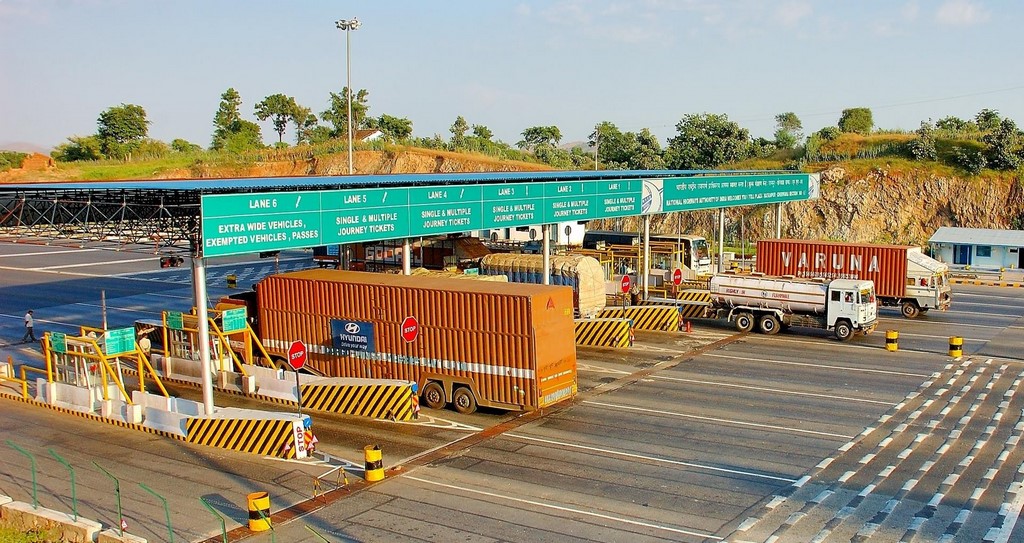
Highway toll rates across India to rise by around five percent
Motorists using national highways and expressways across India will see a rise in toll charges starting April 1, 2026, with revisions averaging around 5%. The increase is part of the routine annual revision linked to inflation and maintenance costs.
In a parallel move towards digital payments, toll plazas will discontinue cash transactions. Commuters will be required to pay tolls exclusively through FASTag or UPI, further pushing the government’s agenda of seamless, contactless toll collection.
Key routes in southern India are also set to witness revised toll fees. In Karnataka, users of the Bengaluru-Mysuru Expressway and the Bengaluru airport road will experience hikes in the range of 3–5%. Similarly, toll adjustments have been implemented on Tamil Nadu’s East Coast Road and the Madurai ring road.
In the north, commuters travelling on the Delhi-Meerut Expressway will also face higher charges. The revised toll for cars, jeeps and vans has been set at Rs 175 for a one-way trip, while a return journey will now cost Rs 265.
Meanwhile, the National Highways Authority of India has updated toll rates at the Bharthana toll plaza on NH48, a key stretch on the Delhi-Mumbai corridor in Gujarat. While rates for light commercial vehicles, trucks and buses have been increased, charges for cars and jeeps at this plaza remain unchanged.
The revised toll structure is expected to marginally increase travel costs for highway users, particularly frequent commuters and logistics operators, though authorities maintain that periodic revisions are necessary to sustain infrastructure development and upkeep.