Honda and Nissan are reportedly preparing to collaborate on the development of standard electronic control units (ECUs) for future software-defined vehicles, signalling a move towards project-based cooperation instead of a full-scale corporate merger. While the proposed partnership is still at an early stage, India could become an important part of the companies’ long-term sourcing and localisation plans.
The latest development follows the collapse of merger discussions between the two Japanese automakers earlier this year. Rather than pursuing a complete integration, both companies are now said to be focusing on targeted collaborations that could help lower development costs and improve competitiveness in a rapidly changing automotive industry.
One of the first areas of cooperation is expected to be the joint development of standard ECUs for next-generation vehicles. As software becomes increasingly central to modern cars, sharing development costs and creating common electronic architectures could help both manufacturers improve efficiency while accelerating product development.
Both Honda and Nissan have faced challenges in recent years, including increasing competition from Chinese automotive brands and changing market dynamics. A technology-focused alliance allows the companies to work together in selected areas without the complexities associated with a full merger.
India could also benefit from this collaboration. Honda has already identified India, along with China, as a strategic sourcing hub because of its competitive automotive supplier ecosystem. The company has also acknowledged that its previous India strategy did not deliver the desired results and has indicated that it will adopt a more focused approach in the coming years.
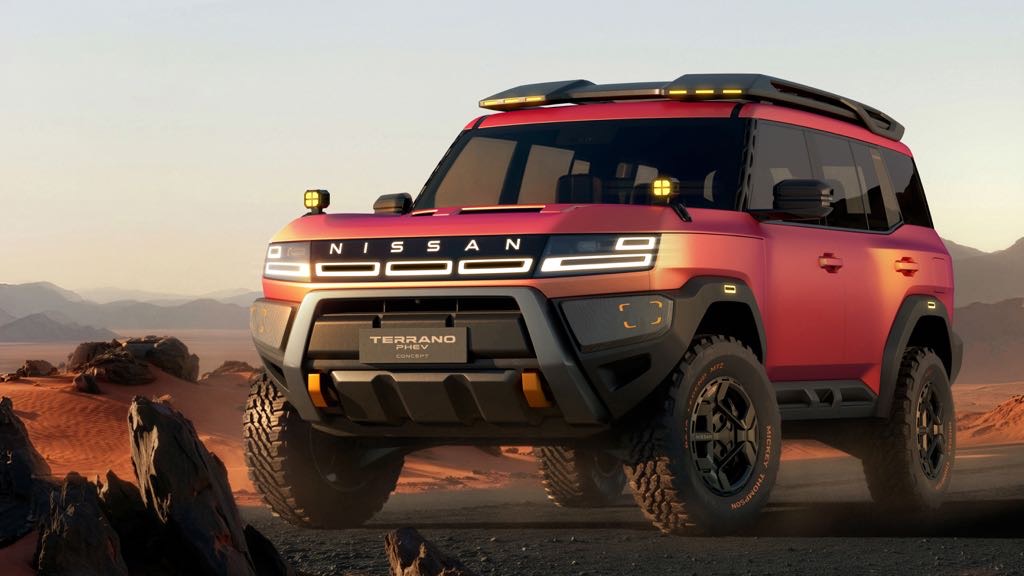
For Nissan, India remains an important manufacturing base despite the restructuring of its alliance with Renault. Although Nissan sold its stake in the Chennai manufacturing joint venture, it continues to produce vehicles there under a contract manufacturing arrangement. The company has also strengthened its presence with the Magnite and is preparing to launch the Tekton SUV on July 9 as part of its renewed growth strategy.
If the collaboration progresses, increased localisation and joint sourcing of components could help both manufacturers reduce costs for domestic production as well as exports. However, there has been no official announcement regarding any India-specific manufacturing or product development initiatives under the proposed partnership.
For now, the reported alliance appears to be focused on technology sharing and procurement efficiencies, with broader collaboration likely to depend on the outcome of these initial projects.