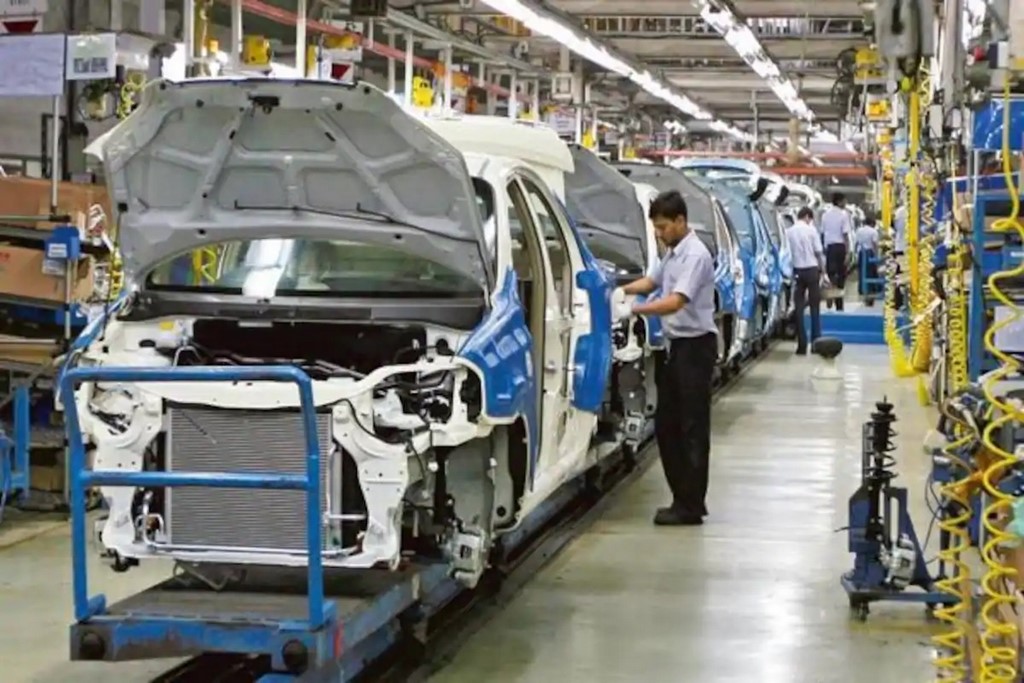

Government urges auto sector to conserve fuel amid energy supply concerns
The Indian government has advised automobile manufacturers and component suppliers to streamline production processes in response to emerging energy supply challenges linked to geopolitical tensions in the Middle East. The move reflects growing concerns over potential disruptions to oil and gas imports, which are critical for industrial operations.
According to an advisory issued by the Ministry of Heavy Industries on March 25, companies have been asked to review their production schedules to reduce fuel consumption. The ministry has also encouraged a gradual shift from oil-based fuels to electricity wherever technically viable, as part of broader efforts to manage energy resources more efficiently.
India, which relies heavily on imports to meet its oil and gas requirements, is facing increasing pressure due to supply chain uncertainties. The ongoing conflict involving Iran has raised concerns about the stability of energy flows through key routes, impacting availability and pricing of fuel and raw materials.
The advisory also highlights the need for alternative material usage. Manufacturers have been asked to consider recycled aluminium and explore substitutes for packaging and other non-essential applications in order to ease demand on constrained resources.
At the same time, the government has prioritised gas allocation for domestic consumption, leading to reduced supply availability for industrial users. Reports indicate that some auto component manufacturers supplying major carmakers are already experiencing limited access to gas, which is affecting their operational capacity.
Industry stakeholders acknowledge the challenges but suggest that implementing significant changes at the factory level may take time. However, there is a growing recognition that companies may need to adapt to prolonged disruptions and evolving cost pressures.
The government’s advisory signals a precautionary approach aimed at maintaining industrial stability while navigating uncertainties in global energy markets.