The Ministry of Road Transport and Highways has released a draft notification proposing amendments to the Central Motor Vehicles Rules, aiming to formally include higher ethanol-blended fuels such as E85 and E100 within the regulatory framework. The move signals a potential shift beyond the current E20 petrol rollout, which has already been implemented nationwide.
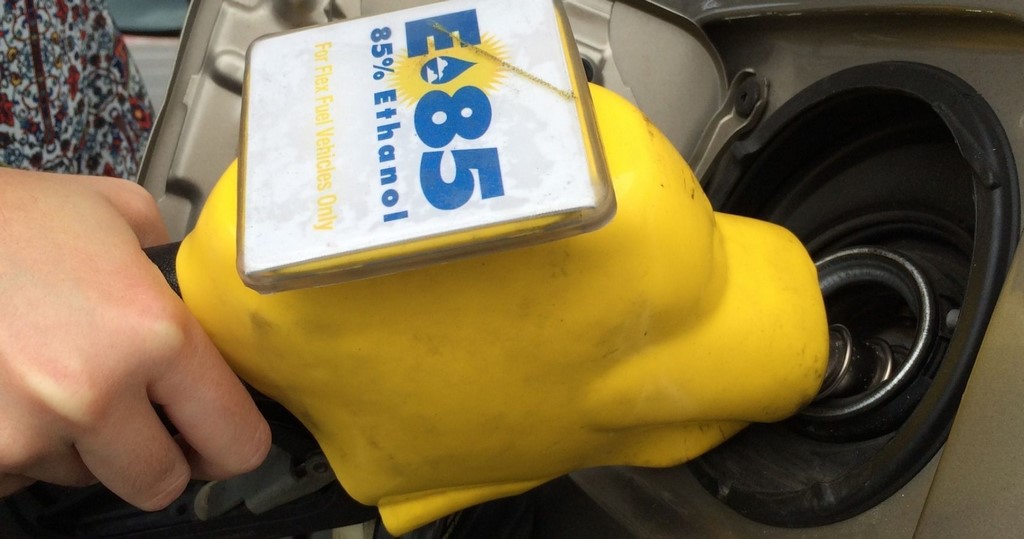
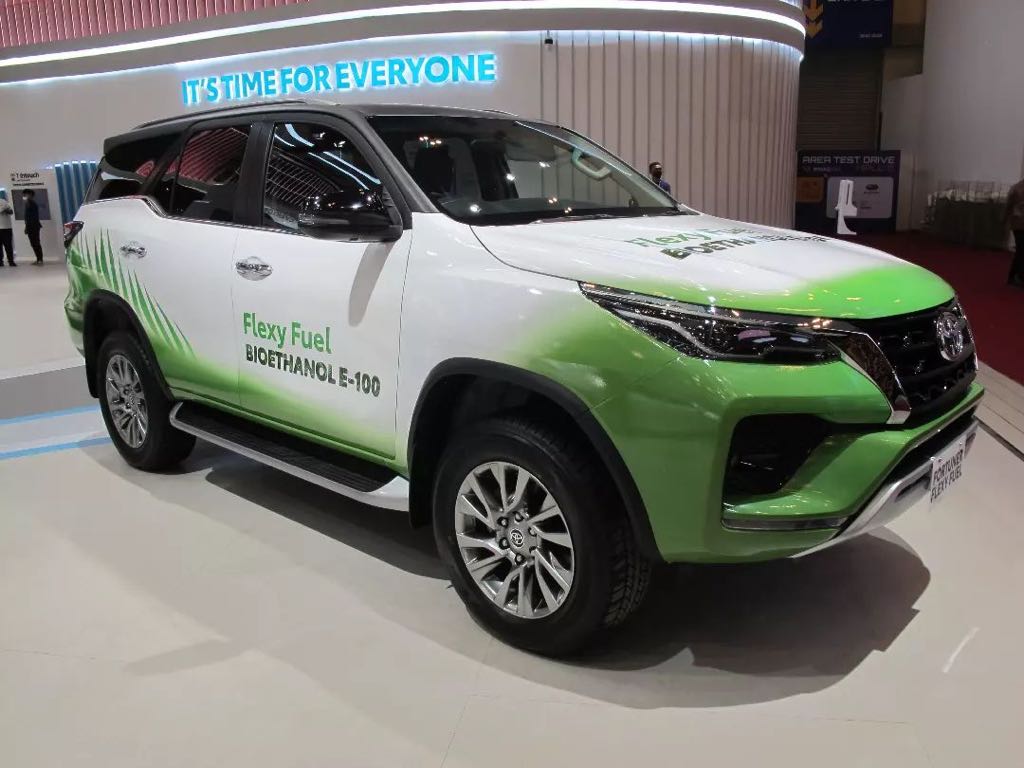
E85 refers to a fuel blend containing 85 percent ethanol mixed with petrol, while E100 is pure ethanol intended for automotive use. By incorporating these fuels into official regulations, the government is seeking to establish clear standards for their adoption, usage and compliance.
The draft also proposes revising existing petrol classifications to align with current realities, replacing earlier E10 references with E20 standards. In addition, biodiesel norms are set to be expanded from B10 to B100, effectively allowing for higher concentrations of bio-based fuels across multiple categories.
Another key aspect of the proposal involves standardising emission testing procedures and updating technical terminology to reflect evolving fuel technologies. Alongside fuel-related changes, the draft suggests increasing the gross vehicle weight threshold from 3000 kg to 3500 kg for certain vehicle classifications. It also includes a revision in hydrogen fuel categorisation, replacing the earlier “Hydrogen + CN” label with “Hydrogen + CNG.”
India achieved its target of 20 percent ethanol blending in petrol in 2025, with supply largely supported by sugarcane-derived ethanol as well as grain-based sources. The ethanol blending programme has been positioned as part of a broader strategy to reduce reliance on crude oil imports while promoting alternative fuel ecosystems.
Automakers have already introduced engines compatible with E20 fuel, though readiness for higher ethanol blends such as E85 and E100 remains under evaluation. The draft notification has been opened for public consultation, with stakeholders invited to submit feedback within a 30-day window.