India records lowest vehicle recalls in 8 years amid improving manufacturing quality
Vehicle recalls in India declined sharply in 2025, falling to their lowest level in eight years. Automakers recalled a combined total of 1,19,173 vehicles during the year, spanning two-wheelers, passenger cars and SUVs. This marks the smallest annual recall volume since 2017 and a significant drop from the much higher levels seen earlier in the decade.
Industry observers attribute the decline to improvements in manufacturing processes, tighter quality audits and stronger internal monitoring systems adopted by vehicle manufacturers. While recalls in 2025 addressed a range of technical and safety-related concerns, the overall scale was considerably lower than in previous years when recall numbers frequently ran into several hundred thousand units.
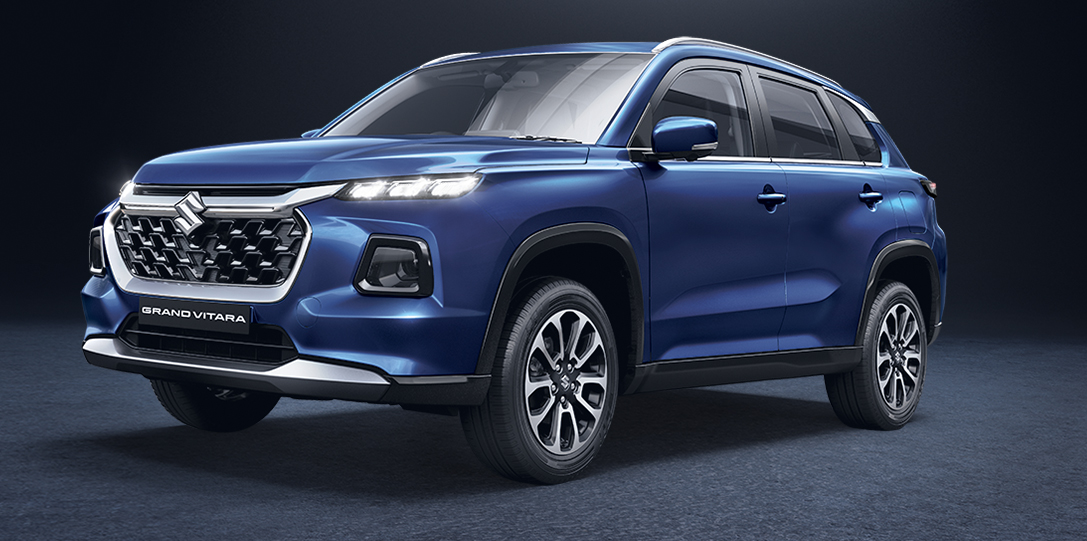
Maruti Suzuki accounted for nearly one-third of all recalls during the year. The company called back close to 40,000 units of the Grand Vitara after identifying a potential issue related to the fuel level indicator and warning light within the instrument cluster, which could display inaccurate fuel information.
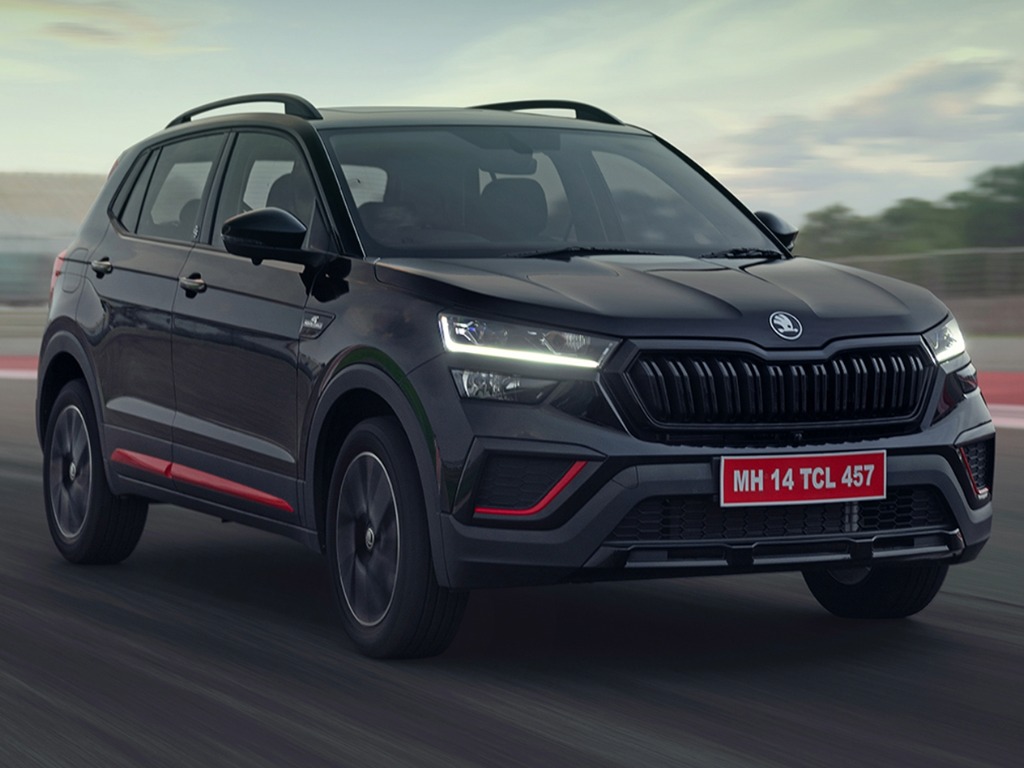
Skoda Auto and Volkswagen together recalled around 49,000 vehicles in 2025. The recall affected multiple models, including the Kushaq, Slavia, Kylaq, Taigun and Virtus. The issue was linked to rear seatbelt components, where certain parts could fail under extreme conditions such as a frontal collision, potentially compromising passenger safety.
Toyota Kirloskar Motor recalled slightly over 20,000 vehicles during the year. A majority of these were Urban Cruiser Hyryder units, which were affected by the same fuel indicator-related concern seen in the Maruti Suzuki Grand Vitara, reflecting the shared components between the two models.
In the luxury segment, Mercedes-Benz recalled 2,820 vehicles between January and September 2025. The recall covered a mix of petrol-hybrid and electric variants, including popular models such as the E-Class, AMG E-Class and CLE.
Kia also issued a recall for 1380 units of its flagship electric vehicle, the EV6. The recall was linked to a potential issue with the integrated charging control unit, which could impact the functioning of the 12-volt auxiliary battery.
Vehicle recalls are typically initiated when manufacturers detect confirmed or potential faults through internal quality checks or feedback from customers. According to industry experts, the lower recall volume in 2025 suggests a maturing quality ecosystem, where potential issues are identified earlier and addressed more proactively.
This trend stands in sharp contrast to earlier years. India recorded its highest-ever recall volume in 2021, with over 1.3 million vehicles called back. In 2024, recalls still stood at more than 8.6 lakh units, as per data from the Society of Indian Automobile Manufacturers.
Despite becoming the world’s fourth-largest automotive market by 2022, India introduced a formal recall framework only in April 2021. Under the Central Motor Vehicle Rules, 2021, implemented by the Ministry of Road Transport and Highways, automakers can face penalties of up to Rs. 1 crore depending on the severity and scale of a recall, reinforcing accountability across the industry.