JLR and Chery revive Freelander as electrified SUV brand for China
Jaguar Land Rover (JLR) has partnered with Chinese automaker Chery to bring back the Freelander nameplate, this time for a new range of electrified SUVs. The first model under this revived identity is scheduled to make its global debut on March 31, with China confirmed as the initial market.
The upcoming Freelander line will be developed under the existing JLR-Chery joint venture. While JLR will oversee the design and brand positioning, Chery will take responsibility for the underlying platform and engineering. This collaboration reflects a broader strategy to combine JLR’s design expertise with Chery’s local manufacturing and technology capabilities.
Unlike Jaguar Land Rover’s current portfolio structure, the new Freelander range will not be part of the company’s ‘House of Brands’ approach, which separates its offerings into Jaguar, Defender, Discovery and Range Rover verticals. Instead, Freelander will function as an independent product line, targeted at a different segment and sold through a separate dealer network managed by Chery in China.
Production will take place at the Chery-JLR joint venture facility. The new range is expected to fill the gap left by models such as the Discovery Sport and Range Rover Evoque, which are likely to be phased out from local production in China.
In terms of underpinnings, the new Freelander models are expected to use a platform developed by Chery, potentially the T1X architecture that is already used across several of its vehicles. The first SUV is anticipated to feature a plug-in hybrid powertrain, aligning with the growing demand for electrified mobility in the Chinese market.
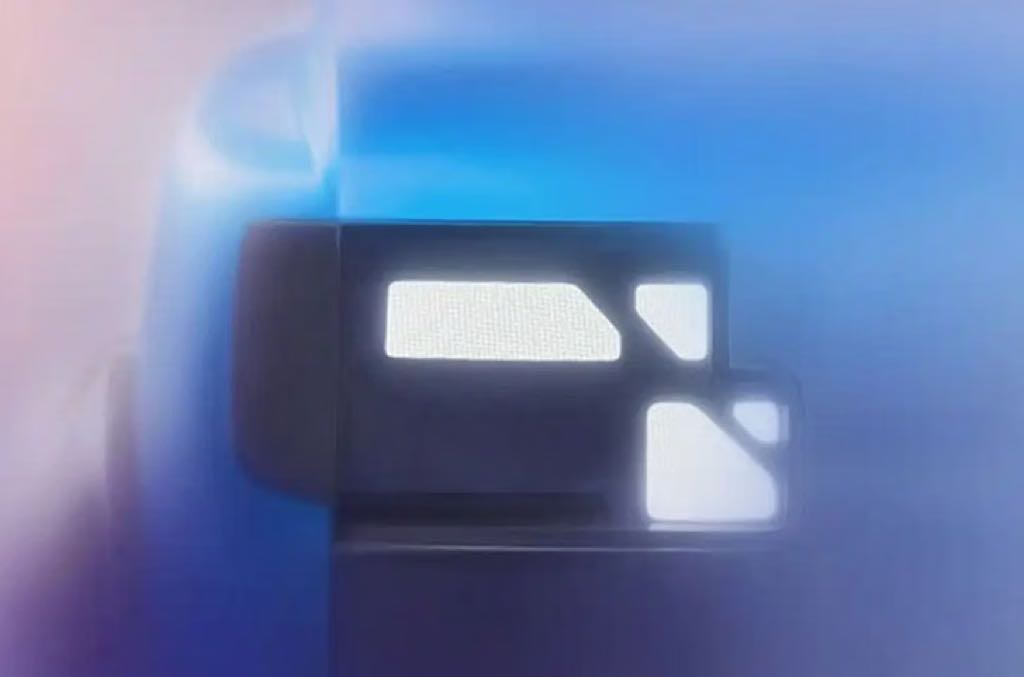
Design-wise, early previews suggest a modern SUV silhouette with coupe-inspired elements and a distinctive lighting signature. JLR has indicated that the design direction will draw cues from the original Freelander while adapting it for contemporary buyers with a focus on technology and urban usability.
The Freelander nameplate itself has been absent for nearly a decade. First introduced in 1997, it played a key role in establishing the compact premium SUV segment and was among the early Land Rover models to adopt a monocoque construction. The model was discontinued in 2015 and effectively succeeded by the Discovery Sport.
Its return signals a shift in strategy, with the name now being used for a new generation of electrified SUVs tailored primarily for the Chinese market, with the possibility of expansion into other regions in the future.