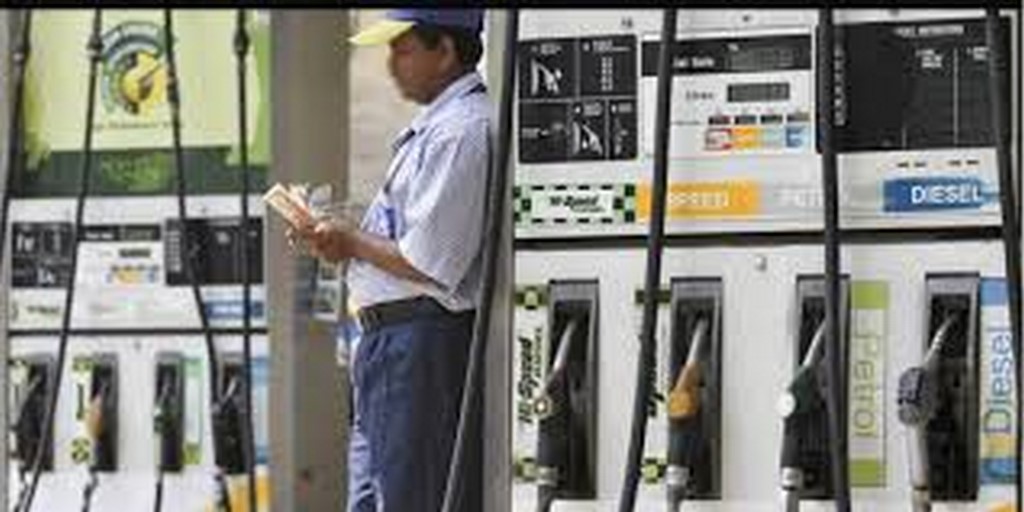

Industry representatives and government officials have stated that extensive testing has not found evidence that E20 petrol damages vehicles manufactured before 2023 that were originally designed for E10 fuel. The clarification was made during a government briefing aimed at addressing concerns over the wider adoption of E20 petrol in India.
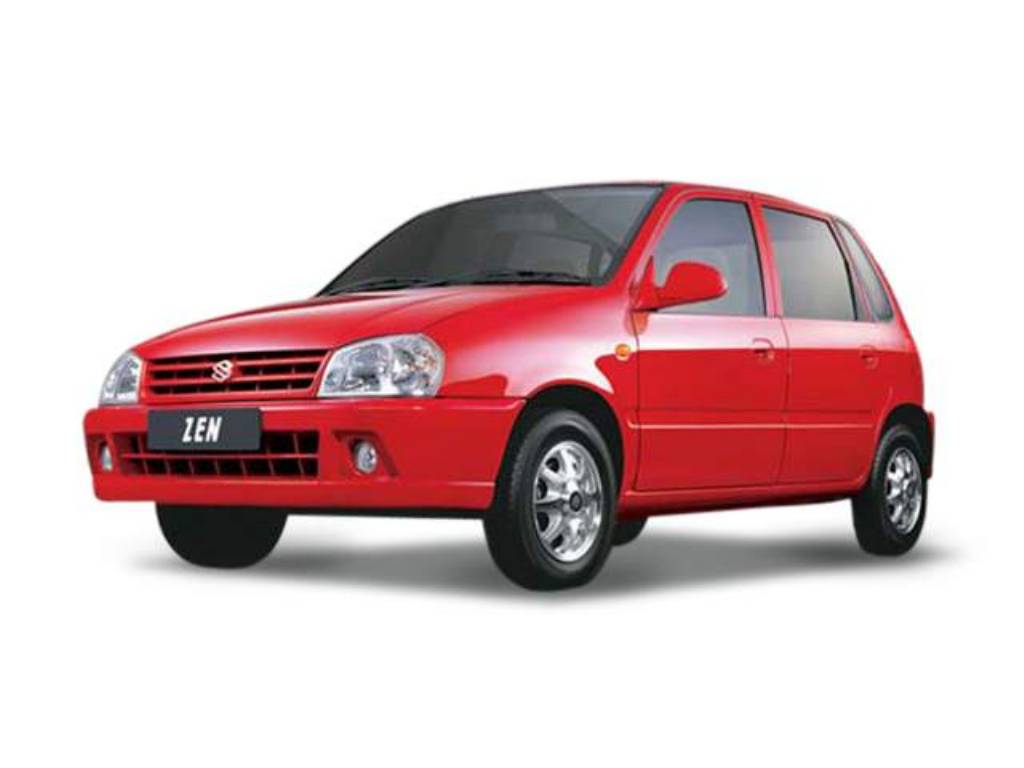
Rahul Bharti, Executive Officer – Corporate Affairs at Maruti Suzuki India, said E20-compatible materials became mandatory for vehicles produced from 2023 onwards, while vehicles manufactured earlier were designed to meet E10 fuel standards. He explained that automotive manufacturers incorporate safety margins during vehicle development, including design validation, testing and certification, to ensure durability and reliability.
According to Bharti, Maruti Suzuki carried out tests on pre-2023 E10-compatible vehicles using E20 petrol across multiple performance and durability parameters. He said the company did not observe any issues related to wear, corrosion or component life during these evaluations.
Toyota Kirloskar Motor also supported the findings. Vikram Gulati, Country Head and Executive Vice President, said vehicles and fuels undergo rigorous testing and homologation before reaching customers. He added that ethanol-blended fuel contributes to reducing carbon emissions and helps lower India’s dependence on imported fossil fuels, while also improving energy security.
Speaking at the briefing, former Engineers India CMD Vartika Shukla said the ethanol blending programme has been implemented in a phased manner based on scientific studies and testing conducted by vehicle manufacturers and agencies such as the Automotive Research Association of India (ARAI). She added that E20 petrol complies with Bureau of Indian Standards specifications and BS-VI emission norms.
The statements come amid continued discussions regarding the compatibility of older vehicles with E20 petrol as India expands its ethanol blending programme.