Nissan has indicated a willingness to consider new strategic collaborations in India as it works to strengthen its presence in the market. The company’s global leadership has suggested that while its long-standing alliance with Renault remains important, future partnerships are not restricted to a single framework.
This signals a more flexible approach as Nissan looks to rebuild scale in India through a mix of new products, manufacturing synergies and potential alliances.
Expanding Strategy While Retaining Existing Alliance
Nissan’s near-term plans in India continue to rely heavily on its collaboration with Renault, particularly for manufacturing and platform sharing. The company is targeting combined domestic and export volumes of around 2,00,000 units, with production centred around shared facilities.
At the same time, the company is keeping its options open for additional partnerships that could complement its capabilities, especially in areas such as technology and product development.
Product Portfolio Set For Expansion
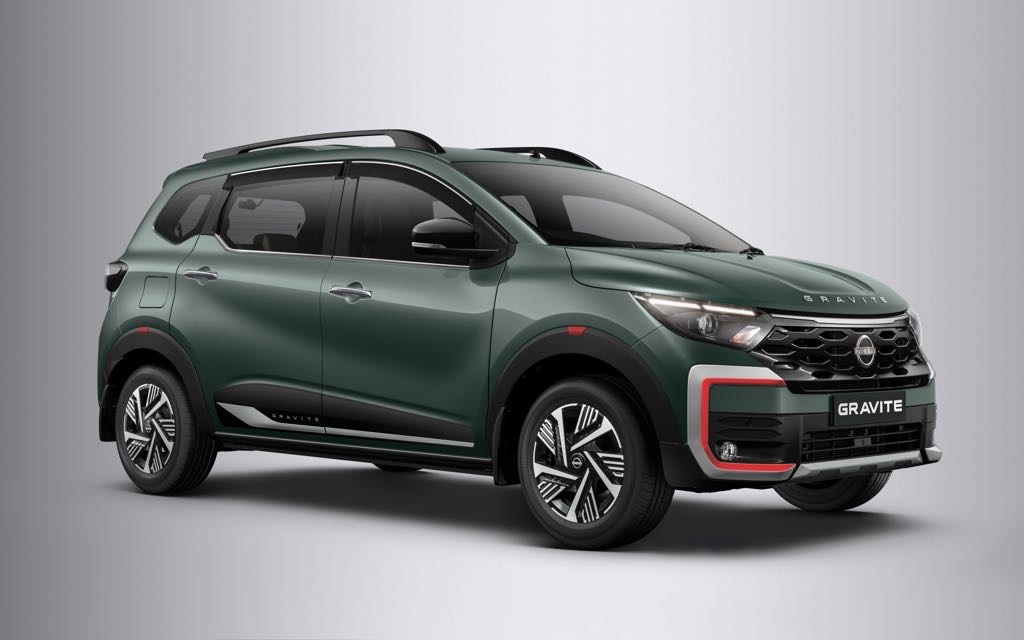
Nissan has begun addressing its limited product lineup in India by adding new models and planning further launches. Alongside the existing Nissan Magnite, the company has introduced the Nissan Gravite and is preparing additional SUVs based on shared architectures.
Upcoming models include a new B-segment SUV and a larger three-row offering, both aimed at strengthening Nissan’s position in high-demand segments and supporting volume growth in both domestic and export markets.
Multi-Powertrain Approach Under Consideration
As part of its evolving strategy, Nissan is evaluating a range of powertrain options for India, including internal combustion engines, hybrids and electric vehicles. The final mix is likely to depend on cost considerations and market demand, which remain key factors in India’s price-sensitive environment.
Potential Role For Honda In Future Collaborations
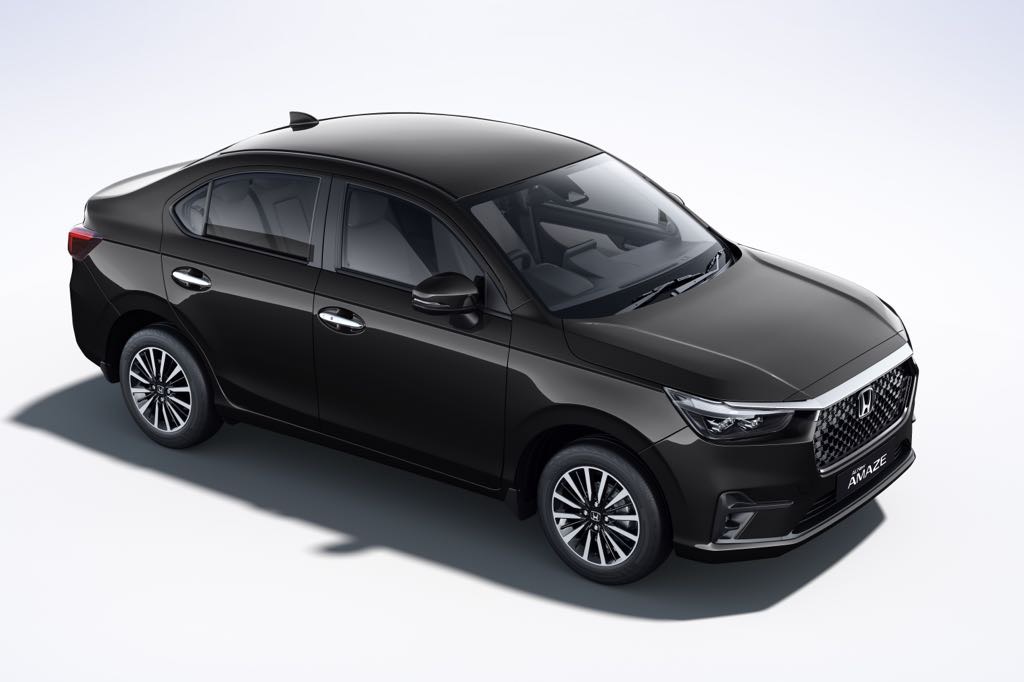
The possibility of working with Honda has also been acknowledged, although discussions remain exploratory at this stage. Any potential collaboration is expected to focus on product sharing or technology exchange rather than a full-scale joint development programme.
Honda’s strengths in hybrid technology and flexible platforms could complement Nissan’s experience in electric vehicles, potentially creating selective synergies if both companies find alignment.
Partnerships Remain A Strategic Lever
Globally, Nissan continues to view partnerships as a critical part of its business strategy. However, the company appears cautious about committing to rigid alliance structures, preferring instead a more adaptable and opportunity-driven approach.
For now, Nissan’s priority remains executing its product expansion plans in India while leveraging its existing alliance. At the same time, the company’s openness to new collaborations suggests a broader shift in how it plans to navigate growth in one of its key markets.